
Is Loofah Biodegradable and Compostable? A Disposal Guide
Short answer. Yes. Natural loofah is plant fibre, made mostly of cellulose, so it biodegrades and can go in a home compost pile. Before composting, remove any part that is not plant-based, such as a polyester loop or a plastic tag. Mesh shower poufs sold as "loofahs" are plastic and cannot be composted at all. If you sell loofah, be careful with the words: in the US, the FTC Green Guides set specific conditions for "compostable" and "biodegradable" claims, and in the EU generic claims like "biodegradable" face new limits from 27 September 2026.
End of life is one of the main reasons people switch from plastic sponges to loofah. It is also where a lot of vague marketing lives. This guide covers the practical side, how to compost a used loofah, and the commercial side, what a seller can claim on a pack.
Biodegradable and compostable are not the same thing
Biodegradable means a material can be broken down by microorganisms into natural substances. It says nothing about where or how quickly. Compostable is narrower: the material breaks down into usable compost, in a compost setting, in roughly the same time as the other materials in that compost.
The US Federal Trade Commission's Green Guides turn those ideas into rules for marketing claims. For "compostable" (16 CFR 260.7), a marketer needs competent and reliable scientific evidence that all materials in the item will break down into usable compost safely and in about the same time as the materials composted with it. If the item cannot be composted safely or in a timely way in a home compost pile, the claim has to say so. For an unqualified "biodegradable" claim, the FTC expects the whole product to break down within a reasonably short time after customary disposal, which it puts at no more than one year for solid waste. Because most solid waste goes to landfill, where very little breaks down in a year, the FTC advises against unqualified biodegradable claims for those products.
In the EU, Directive 2024/825 applies from 27 September 2026. It bans generic environmental claims such as "environmentally friendly", "ecological" or "biodegradable" unless the trader can show recognised excellent environmental performance, or the specific basis of the claim is explained clearly on the same medium.
What a loofah product is actually made of
Whether a loofah product can be composted depends on every part of it, not only the fibre. This is the checklist we use for our own products and the one we suggest for anyone buying from another supplier.
| Component | Plant-based version | Common synthetic version | Compost it? |
|---|---|---|---|
| Fibre | Luffa plant fibre | Nylon or polyethylene mesh (in "pouf" products) | Only if it is real loofah |
| Hanging loop | Cotton cord | Polyester cord | Cotton yes; cut off polyester |
| Sewing thread | Cotton thread | Polyester thread | Polyester thread stays in the compost as fragments |
| Edge binding, backing | Cotton fabric | Polyester fabric | Cotton yes; remove polyester |
| Handle | Untreated wood | Plastic | Wood slowly; remove plastic |
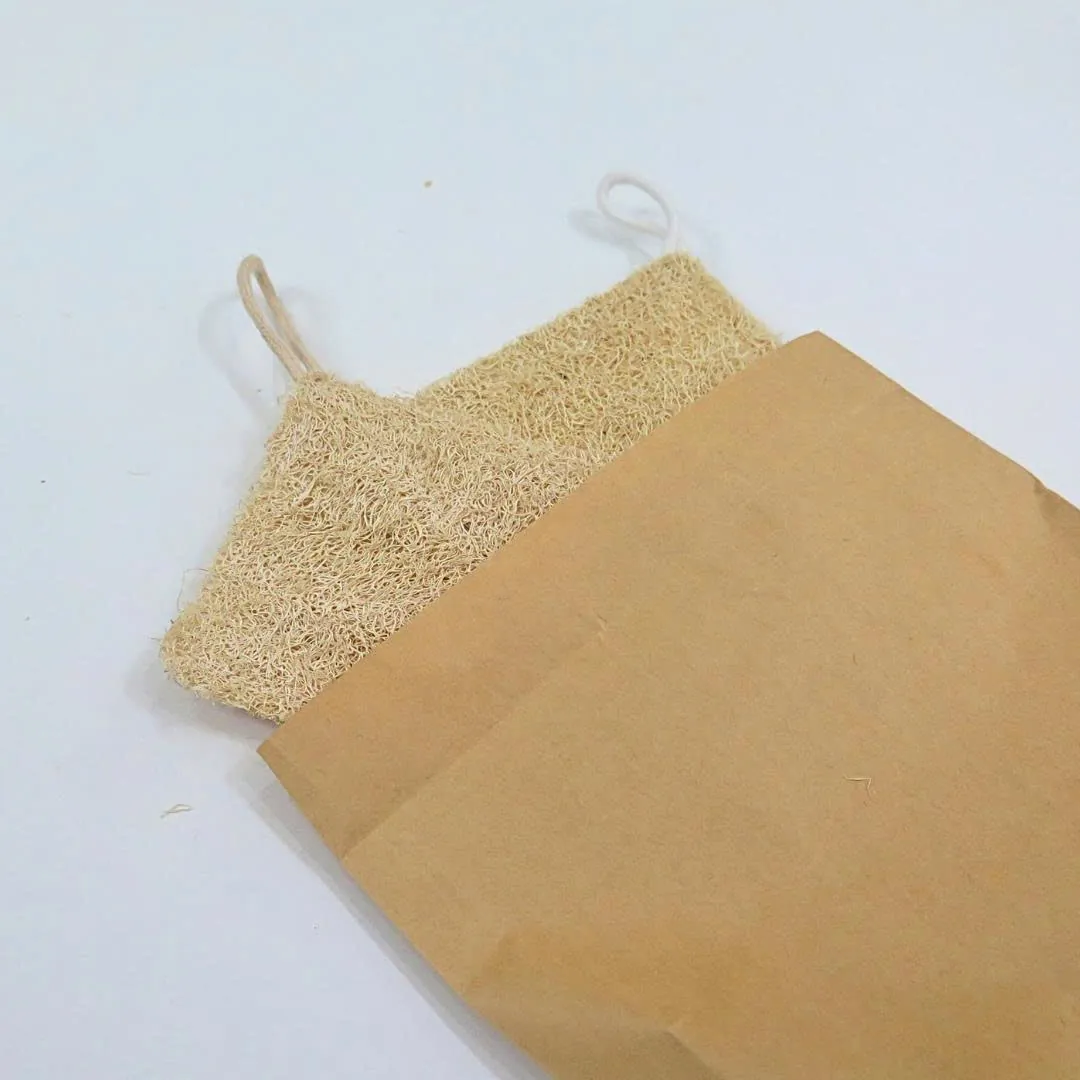
| Band or sleeve | Kraft paper | Plastic film, laminated paper | Kraft paper yes |
Our products use cotton loops, cotton thread, cotton binding, wood and kraft paper throughout, and we supply a material declaration listing each component on request. That document is what lets a retailer make a plastic-free or compostable claim with something behind it.
How to compost a used loofah
- Remove anything that is not plant-based. Cut off polyester loops, plastic tags or plastic handles. Done when: only fibre, cotton and untreated wood are left.
- Cut it into small pieces. Scissors work on a dry loofah; strips of 2–3 cm are fine. Done when: no piece is larger than a coin or two. Smaller pieces give microbes more surface to work on.
- Wet the pieces. Dry fibre breaks down slowly. Done when: the pieces are damp all the way through.
- Mix them into an active pile. Loofah is a carbon-rich "brown" material, like dry leaves or cardboard, so bury it among "greens" such as food scraps and grass. Done when: the pieces are covered, not sitting on the surface.
- Keep the pile moist and turn it. Done when: you can no longer find recognisable pieces of loofah when you turn it.
If you do not have a compost pile, check whether your local green-waste or food-waste collection accepts plant fibre. Rules differ between councils and cities, so look up your own before assuming.
How long does a loofah take to break down?
We have not found a controlled study that measures decomposition time for loofah products, and we do not want to put a number on this page that nobody has measured. What we can say with confidence is which conditions speed it up and which slow it down.
| Speeds it up | Slows it down |
|---|---|
| Small pieces | Whole, thick loofahs |
| A warm, active pile with green material | A cold or dry pile |
| Regular turning and moisture | Pieces left on top in the sun |
| Industrial composting, where available | Landfill, where very little breaks down |
If you need a figure for a specific claim, the correct route is testing against a recognised standard rather than an estimate. For US packaging and products, ASTM D6400 is the standard often referenced for industrial compostability, and certification schemes exist for home compostability. Ask your testing lab which applies to plant fibre products in your market.
Other ways to reuse a loofah before composting
A bath loofah that is past its best for skin still has some life in it. You can move it down a chain of jobs before composting it:
- Bath to cleaning. After 3–4 weeks on the body, it can scrub a sink, tiles or garden tools.
- Cleaning to garden. Small pieces can go at the bottom of plant pots to help drainage.
- Garden to compost. When it falls apart, it goes into the pile.
For hygiene reasons, keep the order one way: body to cleaning, never cleaning back to body. More on that in our loofah hygiene guide.
Why mesh poufs cannot be composted
The colourful shower pouf is often called a loofah, but it is made from nylon or polyethylene netting. It will not biodegrade in a compost pile or a landfill in any useful time, and it is not accepted in most household recycling. If customers in your market use the word "loofah" for both products, spell out the difference on your packaging: "natural loofah, grown as a plant, not plastic mesh".
What sellers can safely say on packaging
We are not lawyers, and claim rules differ between markets, so treat this as a starting point to check with your own adviser.
Safer wording
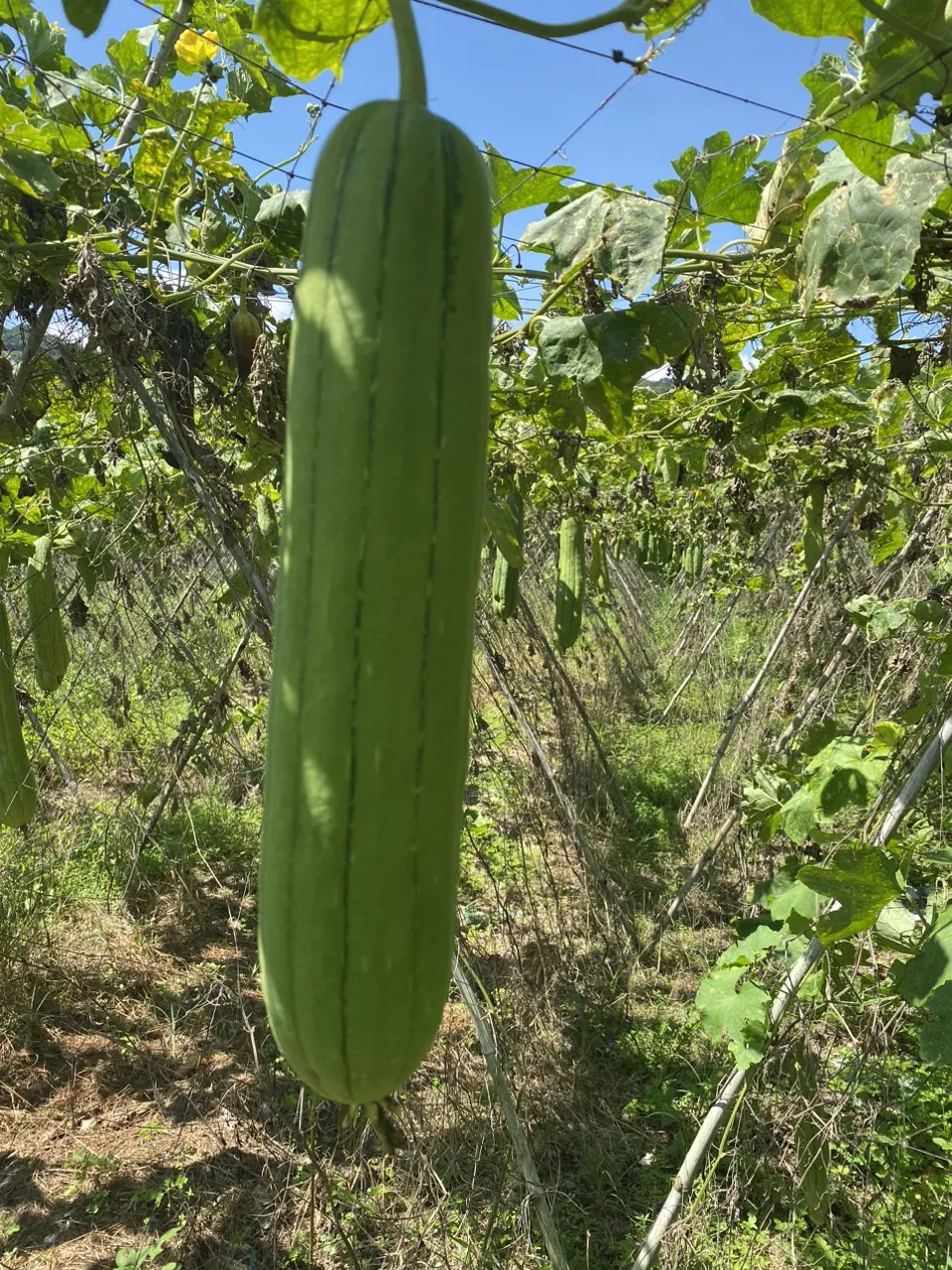
- "Made from natural loofah plant fibre with a cotton loop"
- "Plastic-free: fibre, cotton and kraft paper" (if true for every part)
- "Home compostable: cut into pieces and add to your compost"
Risky wording
- "Eco-friendly" or "green" on its own, especially in the EU
- "Biodegradable" with no timeframe or conditions
- "100% compostable" when the loop or thread is polyester
If you want to build a plastic-free range with documentation behind the claims, request a sample kit and ask for the material declaration with it. For the wider picture of the material, see the natural loofah guide; for why plastic-free matters in the kitchen, see our summary of the 2026 microplastics studies.
Frequently asked questions
Sources
- eCFR – 16 CFR 260.7 Compostable claims
- FTC – Environmental claims: summary of the Green Guides
- Directive (EU) 2024/825: generic environmental claims after 27 September 2026
- Cleveland Clinic – Why loofahs can be bad and alternatives to try
Last updated 2026-09-14. Figures from third-party studies are quoted as published; we have not re-analysed their data.
Natural loofah manufacturer & private-label supplier, Ho Chi Minh City, Vietnam
More from the blog
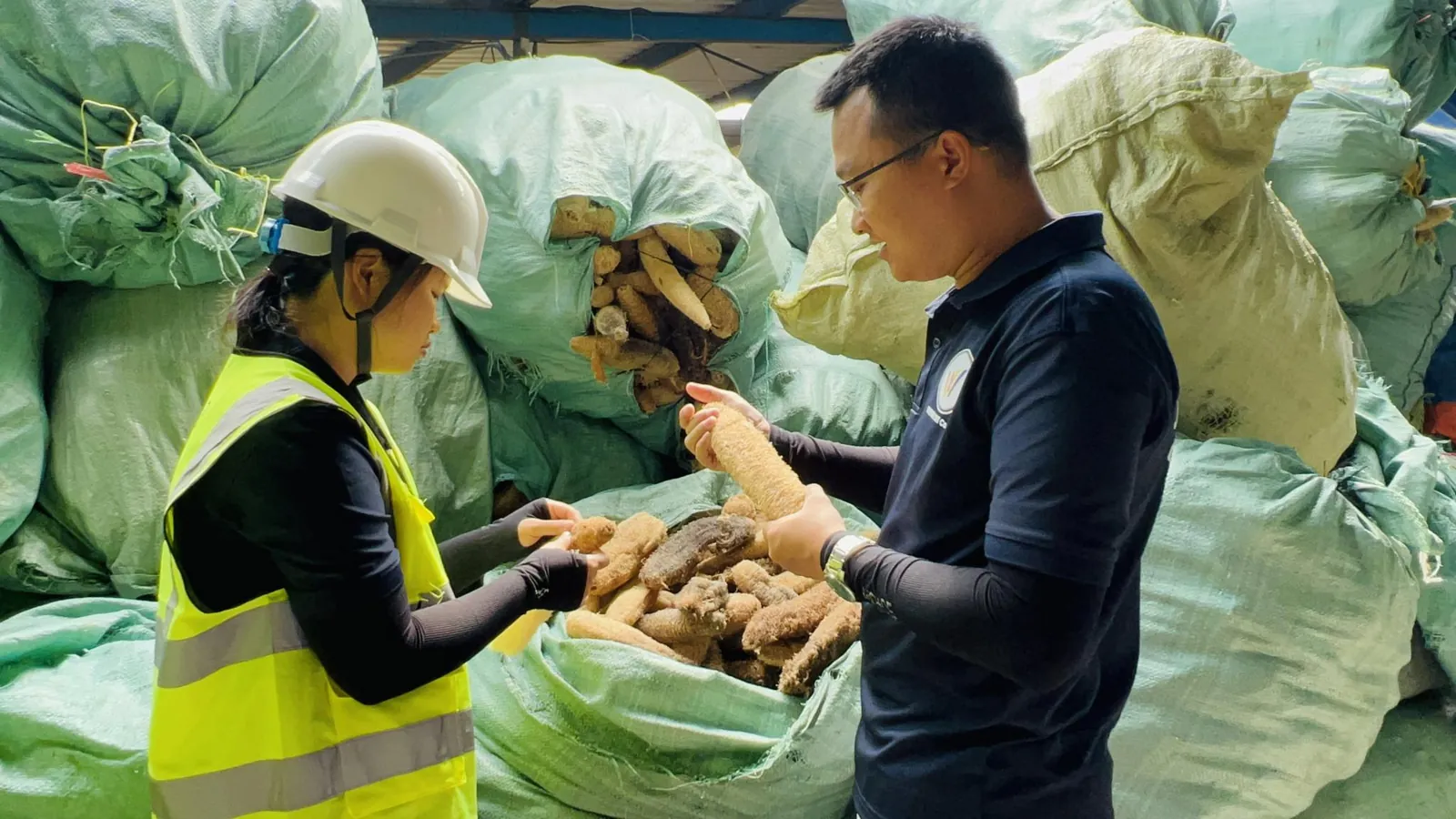
What loofah is, how it goes from vine to finished pad, what separates good fibre from poor fibre, and how to source it without surprises.
Read article →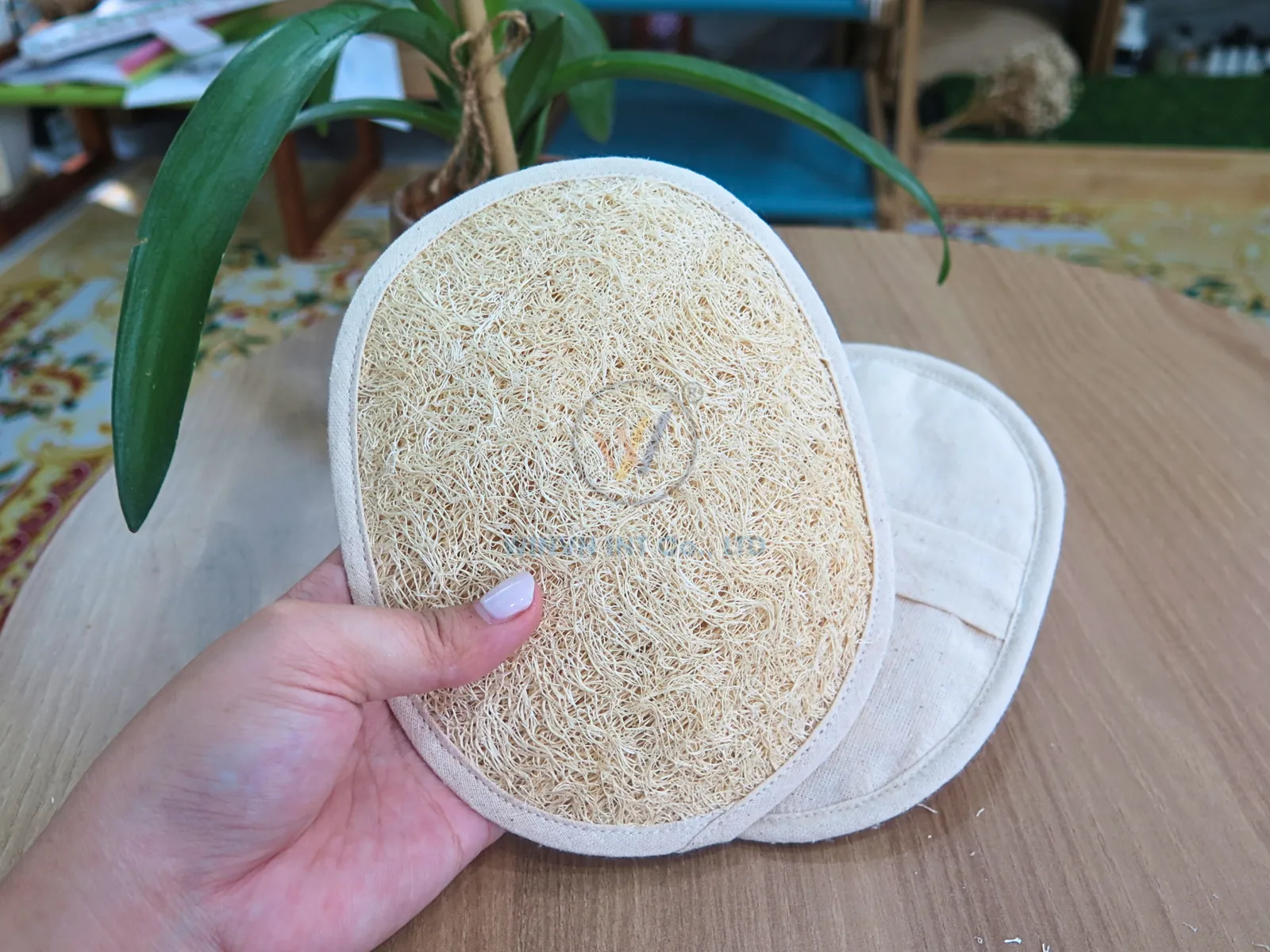
The hygiene worry is real, and most of it is controllable. The research, our moisture readings at packing, and a care card you can print.
Read article →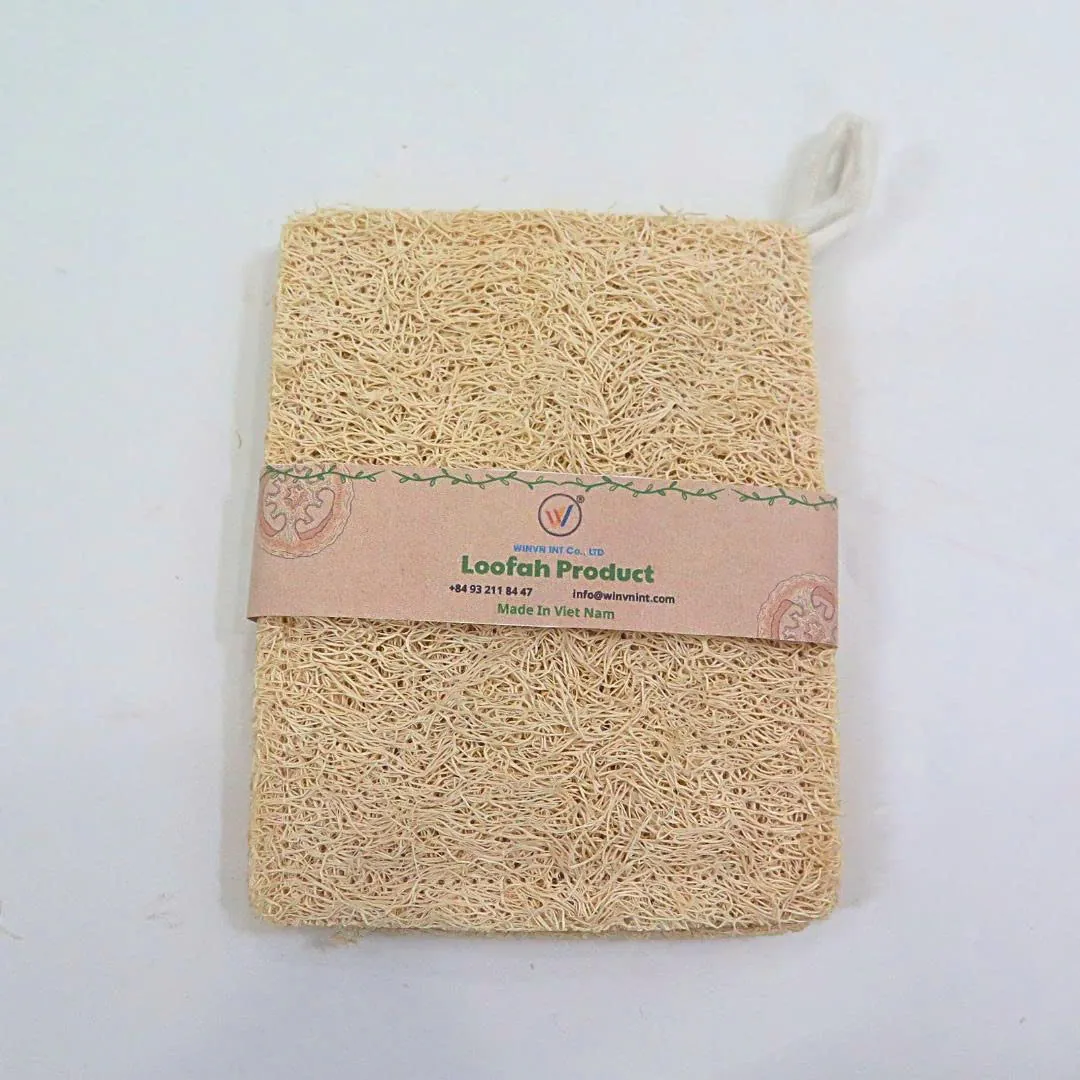
Two 2026 studies measured how much plastic kitchen sponges and melamine foam lose. Here is what they found, what they did not, and what you can claim.
Read article →