
Loofah Wholesale Price Guide 2026: What Drives Cost per Unit
Ask three loofah suppliers for a quote and you will often get three numbers that don't line up. Sometimes one is nearly double another for what looks like the same product. It leaves buyers wondering who to trust, and it makes the lowest quote look like the obvious pick.
We have been exporting natural loofah from Central Vietnam for eight years, and most of that price spread is easy to explain once you know what sits behind a quote. Here is how loofah gets priced at wholesale in 2026, the five things that change your cost per unit, and a few questions that tell you whether a quote is real or just low enough to win your order.
There is no single price
Loofah is a farm product, not a molded part. Two cartons can come from the same region and still differ in fibre density, sizing, and how well they were dried. So a fixed "price per piece" doesn't really exist. What you have instead is a range that depends on the product.
| Product type | Where it sits | Main cost drivers |
|---|---|---|
| Kitchen / dish sponge | Cheapest | Size, density, packaging |
| Bath sponge or pad | Low to mid | Size, whitening, packaging |
| Bath glove | Mid | Stitching, sizing, labor |
| Back scrubber with wooden handle | Higher | Hardware, assembly |
| Gift set / multi-pack | Wide range | Components, box, assembly |
The format you choose sets your starting point. Everything below either pushes it up or brings it down. Once you quote against a clear spec, that wide range gets narrow quickly.
Five things that move your price
Size and fibre density. Bigger loofah uses more fibre, and denser loofah uses better-graded fibre, so both cost more. This is also where a quote can mislead you: the sample comes in as a premium grade, then the bulk order quietly ships thinner and looser. Tie your price to a stated size tolerance and a density you have actually held.
Whitening. Bright-white loofah is usually either steam-whitened or chemically bleached. Steam takes longer and costs more, but it is what lets you sell into the EU and to sensitive-skin buyers with a clean "no chemicals" story. If a bright-white product is priced very low, ask how it was whitened.
Packaging. This moves your landed cost more than people expect. A bare piece with a paper band is at the bottom. A printed kraft box with a branded sleeve and barcode is well above it. For Amazon, compliant cartons cost more up front but save you from re-prep fees and suppressed listings.
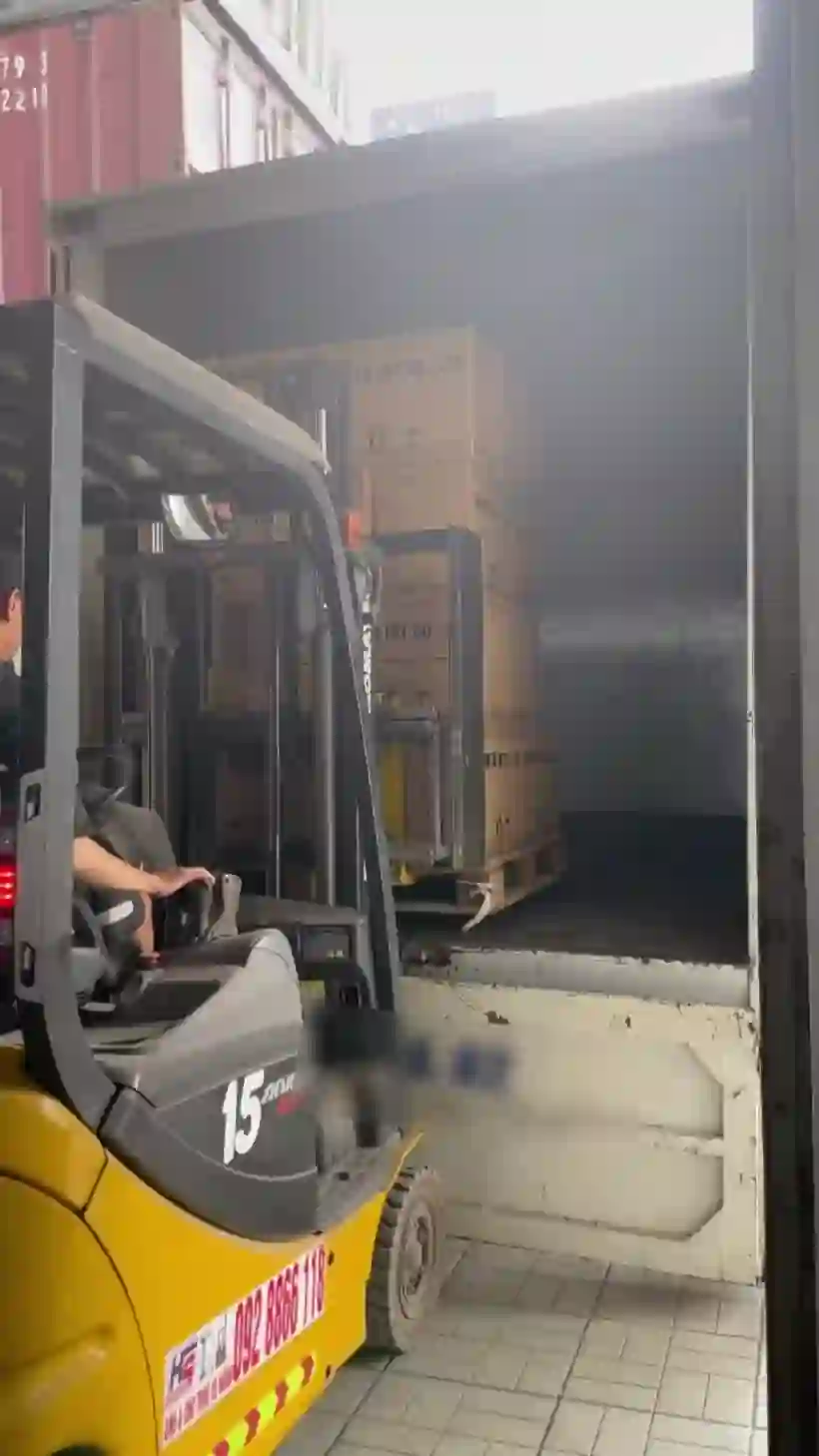
Order size. Small orders cost more per piece. That is simply the price of testing a product without much risk, and a 100-piece trial will never match container pricing. Read this one over time: start small to prove the SKU, then watch the unit price drop as you scale with the same supplier.
Season. Loofah is harvested on a cycle, and Central Vietnam gets six to ten storms a year that can hit a season's yield. Prices hold steadier with a supplier who buys directly from farmers at stable prices and plans stock ahead, instead of chasing spot fibre every time an order comes in.
FOB or CIF? Check before you compare
The most common reason two quotes look miles apart is that one is FOB and the other is CIF.
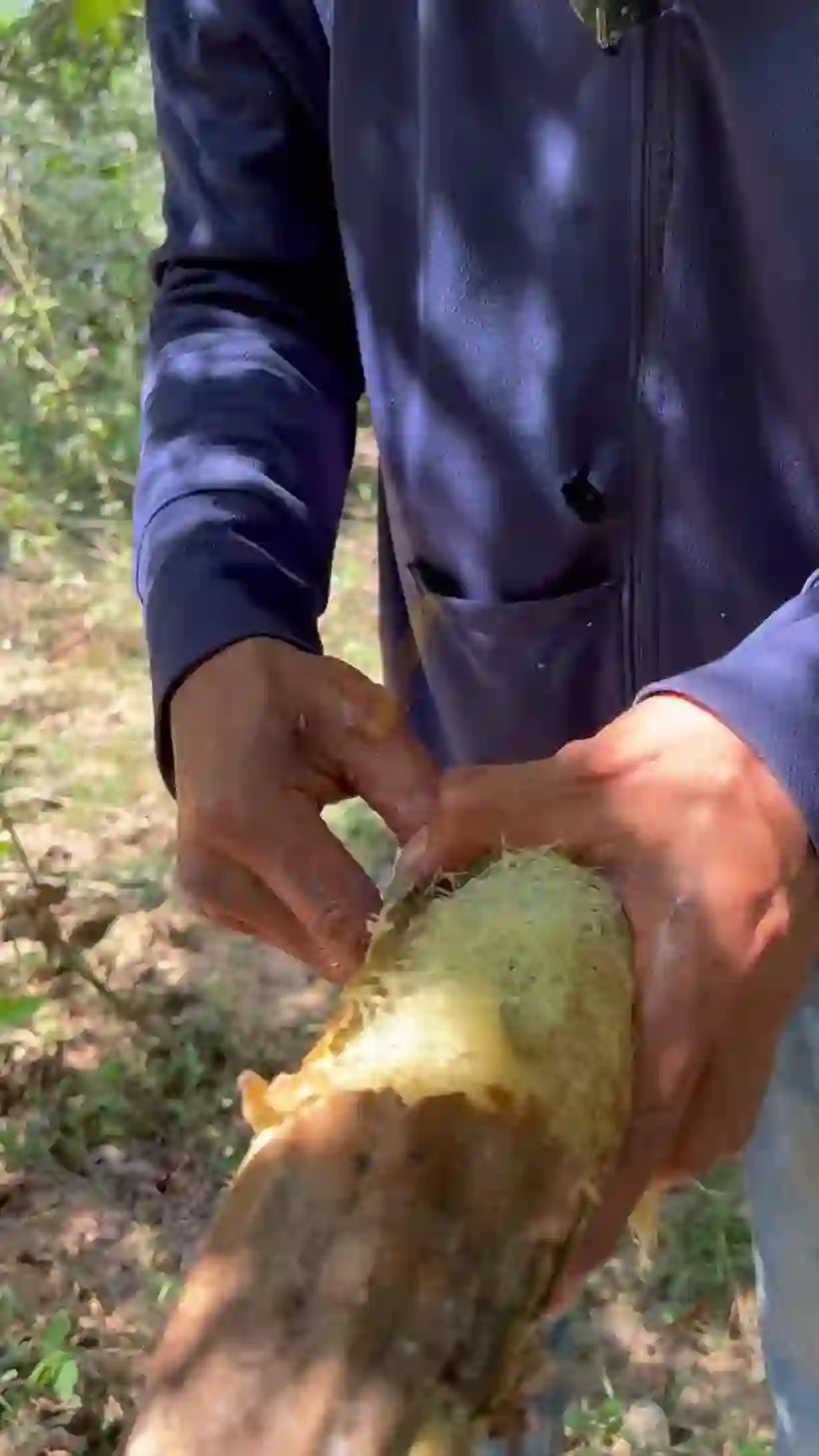
FOB covers the goods loaded onto the ship at the port in Vietnam. From there, freight, insurance, and import costs are yours. CIF already includes freight and insurance to your destination port.
So a CIF quote should be higher than an FOB quote for the same goods, because it carries more. If a "cheaper" supplier turns out to be quoting FOB against a competitor's CIF, you haven't found a bargain. You have just left the freight bill off the page. Confirm the Incoterm first, and ask what documents come with it: commercial invoice, packing list, certificate of origin, and phytosanitary or fumigation certificates where your market needs them.
The cheapest quote often costs the most
A very low price has to be paid for somewhere. In loofah, that usually means:
- Thinner or lower-graded fibre than the sample you signed off on.
- Drying and QC skipped, so moisture runs high and the goods arrive musty or moldy, taking your reviews down on day one.
- Packaging that fails FBA and forces expensive re-prep.
- Missing paperwork, so you can't clear customs or back up your environmental claims.
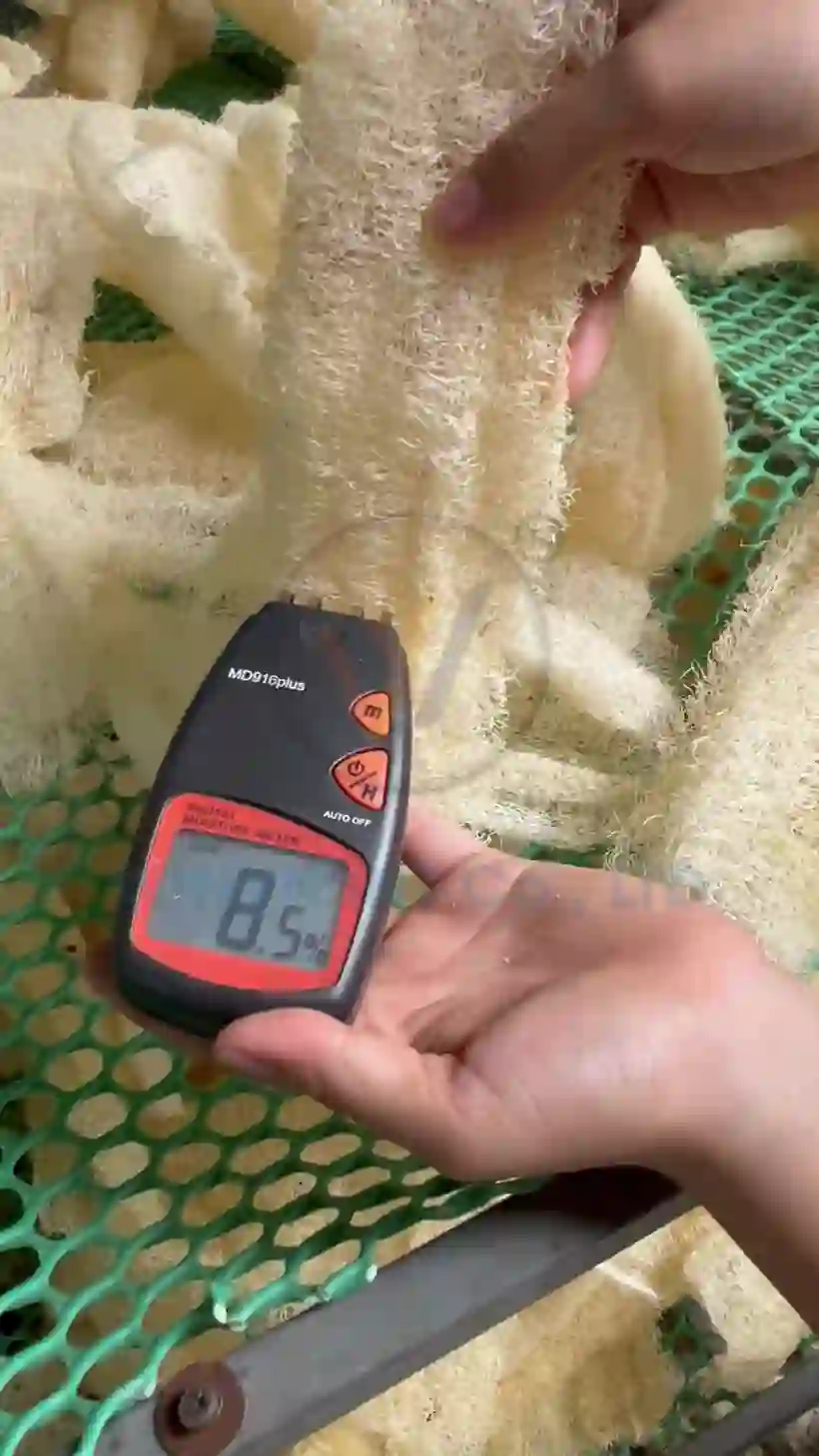
Any one of those can wipe out the margin on a whole container, or cost you the listing. The number worth watching isn't price per piece. It is what it costs to land inventory that is actually sellable and safe to put in front of customers. A slightly higher unit price that arrives dry, consistent, documented, and shelf-ready is usually cheaper by the time it reaches you.
How to ask for a quote you can trust
Give every supplier the same brief and their prices suddenly become comparable:
- Product and size, with a tolerance, not just "bath sponge."
- Fibre density or grade, ideally against a sample.
- Whitening method, steam or chemical.
- Packaging: bare, band, sleeve, kraft box, gift box, and whether you need a barcode.
- Quantity: your real first order and your reorder target.
- Incoterm: FOB or CIF, and to which port.
- Documents you need for your market.
Send that to two or three suppliers and the confusing gaps mostly disappear. You end up comparing products instead of marketing.
Hold it first, then price it
The surest way to know what a price actually buys is to hold the product before you order. Request a free sample kit, check the fibre, sizing, and packaging yourself, and then a quote means something, because you already know what you are quoting.
Get your free sample kit → or message us on WhatsApp: +84 906 111 016
MOQ from 100 pcs. Sample kits ship to the US and EU in 7 business days. No container commitment to start.
Natural loofah manufacturer & private-label supplier, Ho Chi Minh City, Vietnam
More from the blog
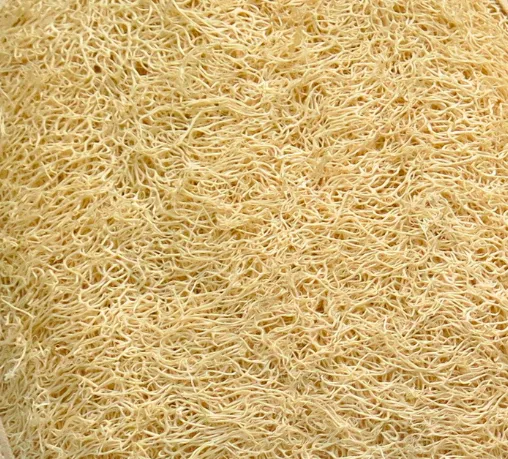
Most sourcing failures in natural fibre trace back to the same handful of skipped checks. Here is the checklist we wish every buyer used — on us or anyone else.
Read article →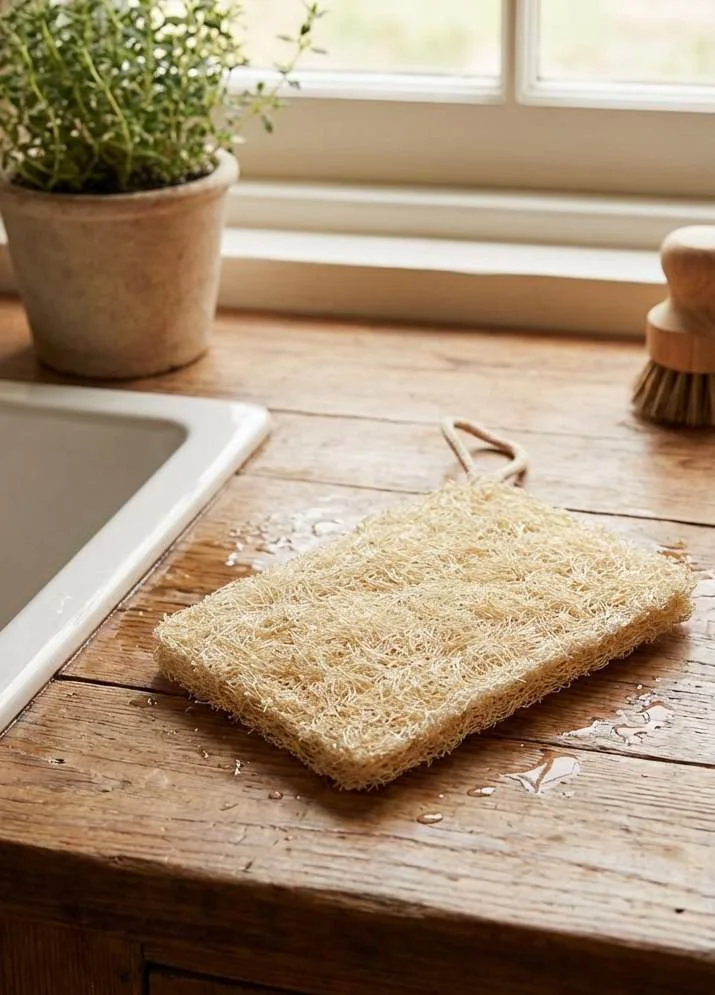
The zero-waste bath and kitchen category keeps growing — but customers only switch when the natural option genuinely works. Here’s how loofah wins the comparison.
Read article →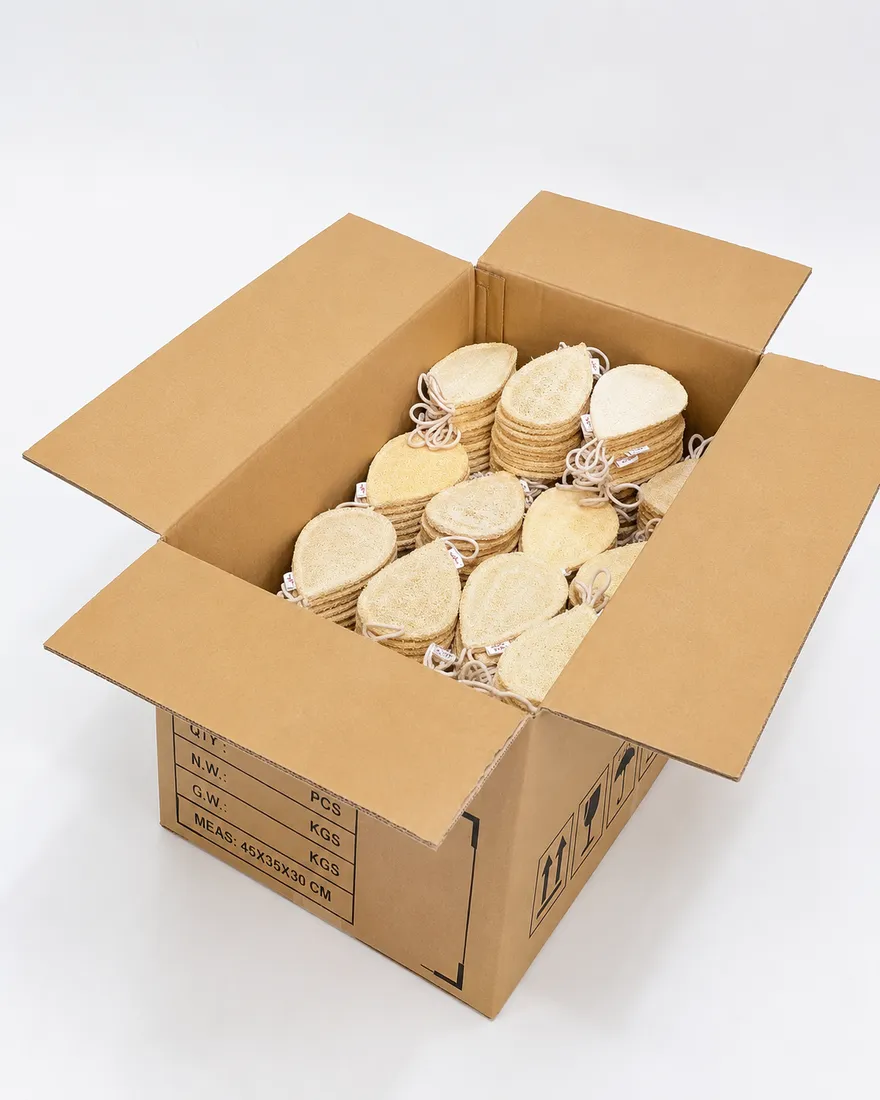
Loofah is a strong private label category: light, unbreakable, evergreen demand. But the margin lives or dies on packaging, QC and freight decisions made before you order.
Read article →