
Wholesale Loofah for Zero-Waste and Refill Shops: Assortment and Merchandising Guide
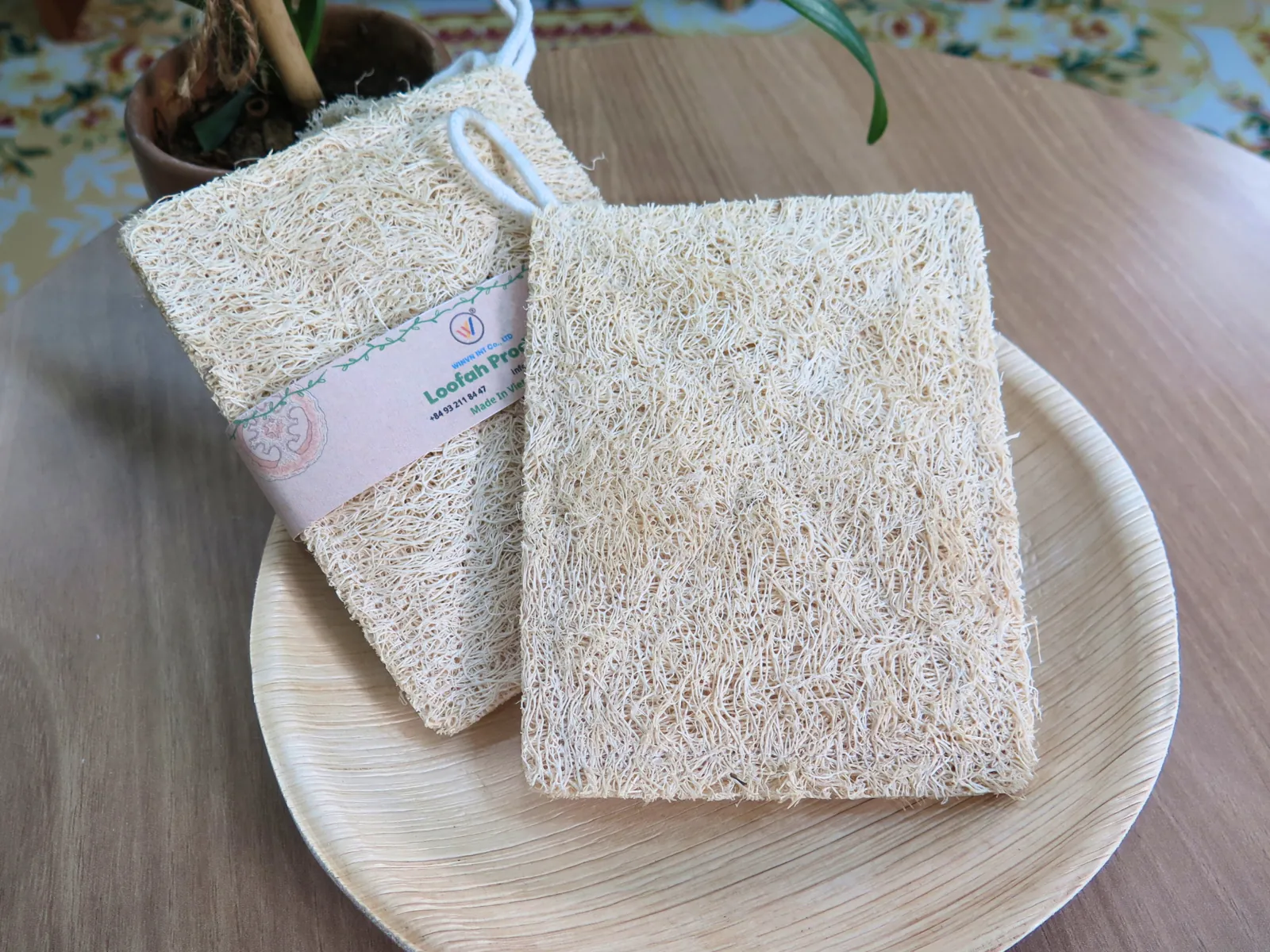
Short answer. For a zero-waste or refill shop, natural loofah works best as a small, steady range: two kitchen pads and two or three bath items, sold package-free or in paper, with a care card at the till. It is a replacement item. Cleveland Clinic advises replacing a bath loofah every 3–4 weeks, so a customer who likes it comes back. Start with four to six SKUs, buy direct from a manufacturer if you can take 100 pieces per SKU, or through a distributor if you need smaller mixed cases.
This guide is for owners and buyers of zero-waste, refill and Unverpackt shops in the UK, Germany, France, Australia and North America. It covers what to stock, how to display loofah without packaging, how to price and time orders, and when it makes sense to buy direct.
Why loofah earns shelf space
Zero-waste shops have limited space and a lot of products competing for it. Loofah justifies its place for four reasons, each backed by something you can check.
- It is bought again. SaleHoo describes natural loofah as a low-ticket item that drives repeat purchases because buyers expect to replace it. Cleveland Clinic's 3–4 week replacement advice for bath use supports that rhythm.
- The price point is easy. SaleHoo puts the average retail price around $11, within a $9–$15 range. That sits comfortably next to soap bars and brushes.
- Your customers are already looking for it. The Plastic Free Foundation reports that at least 174 million people in 190 countries took part in Plastic Free July in 2025, and 86% said their changes became habits.
- It is household staple, not novelty. Future Market Insights attributes 82% of loofah bath sponge demand to household use in 2026.
A starter assortment
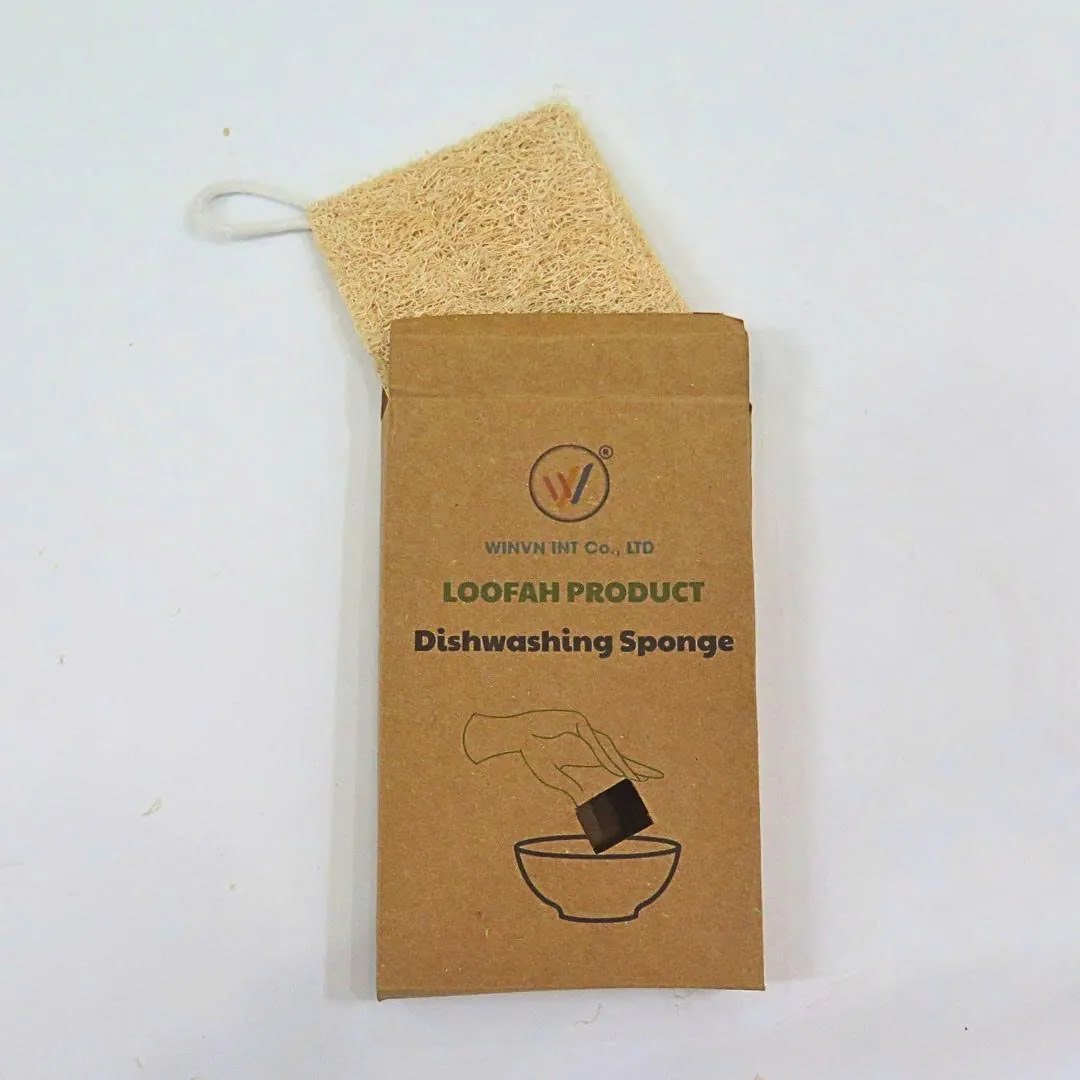
Four to six SKUs is enough to cover both kitchen and bath without crowding a shelf. This is the range we suggest to new shop accounts, built from our own catalogue.
| SKU | Area | Role on the shelf | Where to place it |
|---|---|---|---|
| Rectangular dish pad | Kitchen | Direct swap for the plastic sponge; highest turnover | Next to dish soap refills and brushes |
| Teardrop dish pad | Kitchen | Second kitchen shape; reaches into glasses | Same fixture, hung by the loop |
| Oval exfoliating pad | Bath | Main bath item; strap makes it easy to hold | With soap bars and shampoo bars |
| Bath glove | Bath | For customers who prefer a mitt | Bath section |
| Droplet sponge | Bath | Gift-friendly shape; good at the till | Near the counter or in gift sets |
| Wooden handle back brush | Bath | Higher ticket; add once the range sells | Bath section, hung |
Start here if
- You are new to loofah: two kitchen pads and the oval pad
- Your shop is mostly kitchen and cleaning refills: both kitchen shapes, one bath item
Hold back on
- Large whole loofahs if you have no space to display them
- Many near-identical bath shapes before you know what sells
Displaying loofah package-free
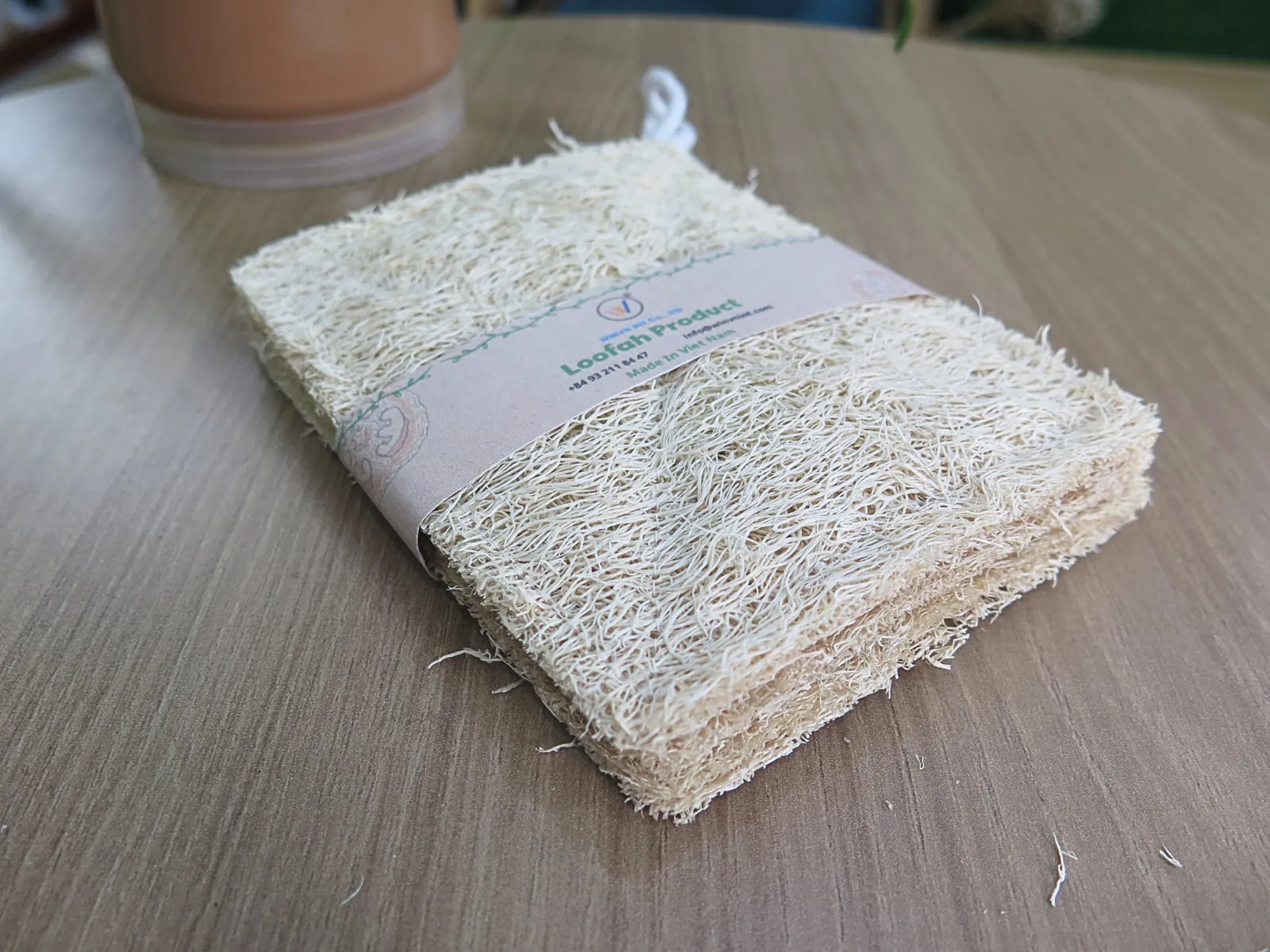
Loofah is one of the easiest products to sell without packaging. It is light, it does not spill, and customers want to touch it. What it needs is information, because the product cannot explain itself.
- Hang it by the loop or stand it in a crate. Result: customers can pick it up and feel the fibre.
- Put a shelf card next to it. Material, origin, how to dry, when to replace, how to compost. Result: fewer questions at the till and fewer disappointed customers.
- Keep one wet sample in a bowl. Result: customers feel how it softens in water, which removes the "too scratchy" objection.
- Offer paper bands or bags for gifts. Result: the same stock covers gift buyers without adding plastic.
A short shelf card could read: "Natural loofah, a dried gourd grown in Vietnam, with a cotton loop. Firm when dry, soft in water. Hang to dry after use; replace monthly for bath use; compost when worn out."
Selling the swap, not the sponge
Customers in a zero-waste shop are usually replacing something. Merchandise loofah as the answer to a specific plastic item:
- "Replaces your plastic kitchen sponge" on the dish pad card. The 2026 University of Bonn study on microplastics from kitchen sponges gives a current, dated reason; our summary of the research explains what it found.
- "Replaces your shower pouf" on the bath items. Some customers may not realise a pouf is plastic mesh; see real loofah vs mesh pouf.
- A kitchen swap bundle: dish pad, solid dish soap and a wooden brush, sold together.
Be careful with wording in the EU. From 27 September 2026, Directive 2024/825 restricts generic claims such as "eco-friendly". Describe the material and the swap instead.
Timing orders through the year
SaleHoo's five-year comparison shows interest in natural loofah peaking in August and lowest in May. Plastic Free July falls just before that peak and is the season when most zero-waste shops push swaps. For a shop, that suggests ordering in late spring so stock is on the shelf for July, and reordering after the summer based on what sold. Treat this as a planning guide rather than a forecast: SaleHoo's data measures relative interest, not your sales.
Buying direct or through a distributor
| Direct from a manufacturer | Through a distributor or marketplace | |
|---|---|---|
| Minimum order | Per SKU (ours: 100 pieces) | Small mixed cases |
| Unit cost | Lower, before freight and duties | Higher, but landed and ready |
| Lead time | Weeks, including shipping | Days |
| Own label | Possible: sleeves, cards, bands | Usually not |
| Import paperwork | Handled with your broker | Handled by the distributor |
Buy direct if
- You can take 100+ pieces per SKU
- You want your shop's name on the band or card
- You run several shops or an online store as well
Use a distributor if
- You want to test with a dozen pieces first
- You have no customs broker
- You need stock this week
In the UK, wholesale platforms such as Faire list eco sponges from many brands, which is a quick way to test demand before buying direct.
For pricing, read our wholesale price guide. For choosing any supplier, use the 8-point checklist. When you are ready, request the wholesale catalogue and a sample kit.
Frequently asked questions
Sources
- SaleHoo – Natural loofah trends
- Plastic Free Foundation – 2025 Impact Report
- Future Market Insights – Loofah Bath Sponge Market (2026)
- Cleveland Clinic – Why loofahs can be bad and alternatives to try
- ScienceDaily – Your kitchen sponge is releasing microplastics (University of Bonn, June 2026)
- Faire UK – Wholesale eco-friendly sponges
- Directive (EU) 2024/825: generic environmental claims after 27 September 2026
Last updated 2026-09-27. Figures from third-party studies are quoted as published; we have not re-analysed their data.
Natural loofah manufacturer & private-label supplier, Ho Chi Minh City, Vietnam
More from the blog
Ask three loofah suppliers for a quote and you'll often get three numbers that don't line up. Here's what actually moves the price.
Read article →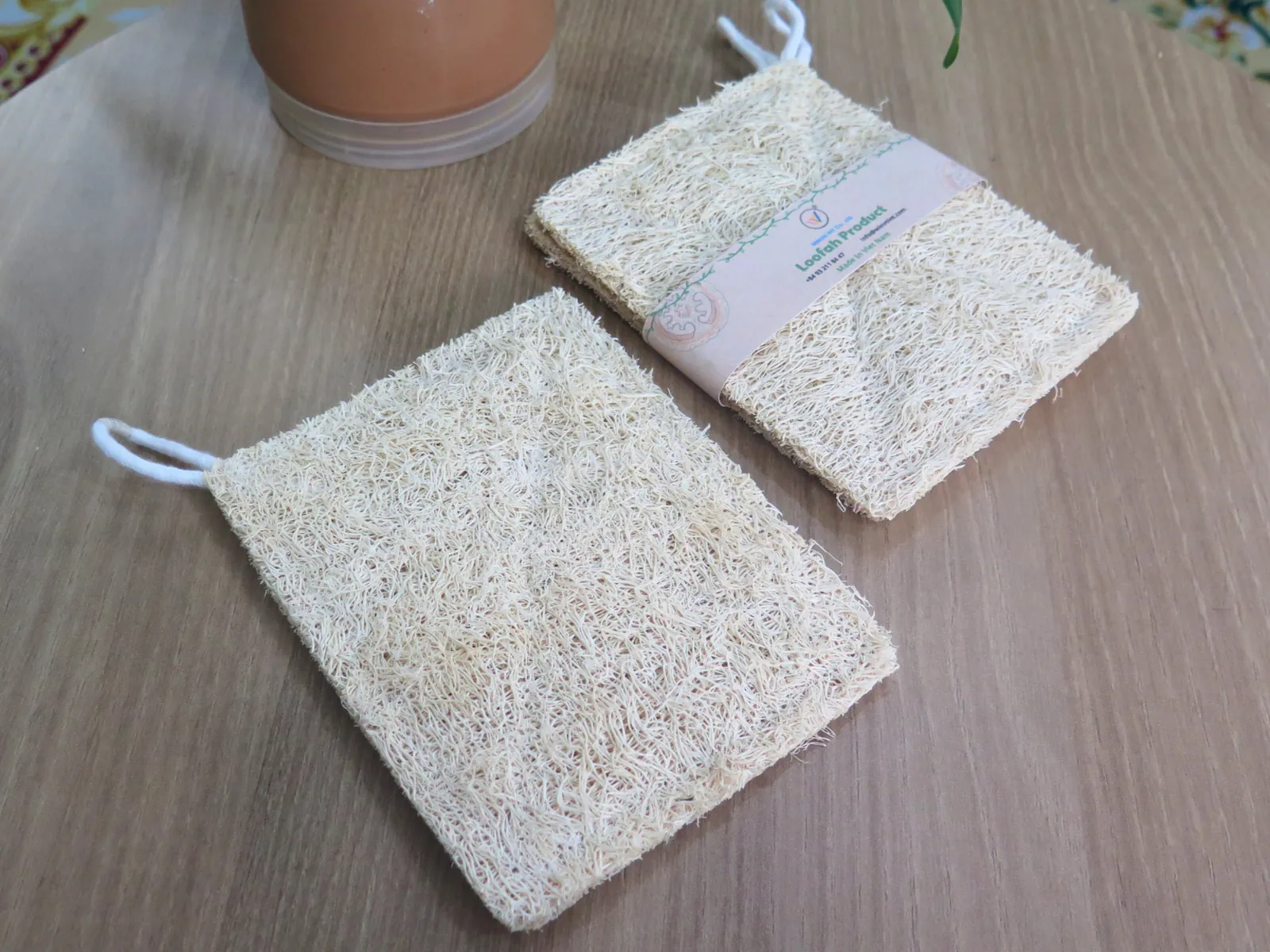
Six kitchen sponge materials compared on what they are made of, how they clean, how they dry and where they end up, plus a 30-day test for buyers.
Read article →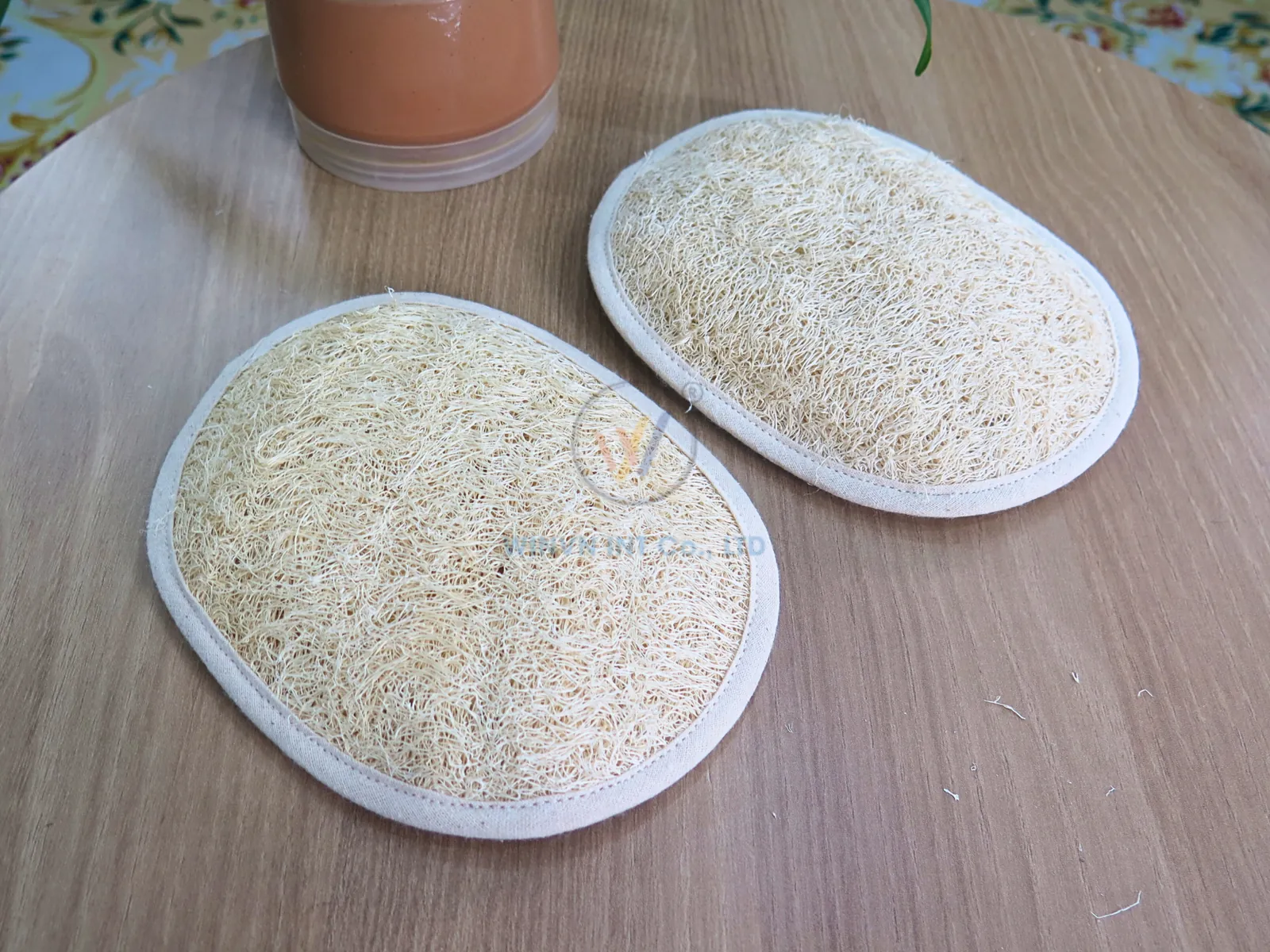
Many "loofahs" are plastic mesh. Five checks that take a minute, what the colours mean, and listing copy that keeps buyers from confusing the two.
Read article →