Market
Natural Loofah vs Plastic Sponges: What Zero-Waste Customers Actually Buy
The short answer
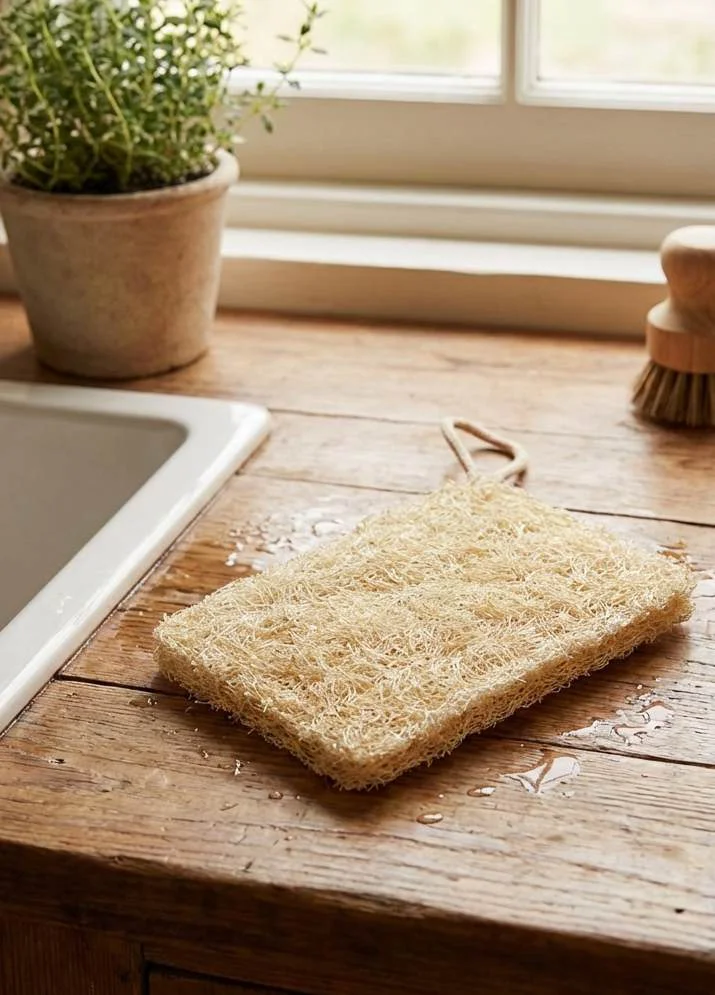
Loofah wins the comparison with plastic sponges on material (a plant fibre instead of plastic foam or mesh), on scrubbing texture and on drying, because its open mesh dries faster than closed-cell foam when hung. It loses on first touch — it feels harsher dry than wet — and it still needs rinsing, drying and replacing. Retailers sell it best as a direct swap, with a care card, and without claims they cannot support.
Every eco shop owner has watched a customer pick up a natural sponge, turn it over and put it back. The sustainability story alone does not close the sale; the product has to work at least as well as the plastic one it replaces.
How they compare
| Feature | Natural loofah | Plastic sponge / pouf |
|---|---|---|
| Material | Plant fibre from a gourd | Polyurethane or polyester foam, nylon or PE mesh |
| Texture dry | Firm | Soft |
| Texture wet | Noticeably softer | Unchanged |
| Drying | Open mesh dries faster when hung | Closed-cell foam holds water |
| End of life | Fibre is plant material; remove cord or backing first | Plastic waste |
| Care needed | Rinse, dry, replace when worn | Rinse, dry, replace when worn |
Where loofah does better
- It is a plant. The sponge is the dried fibre of a vine-grown gourd, not plastic foam.
- Scrubbing texture. The fibre mesh scrubs without the harshness of a plastic scourer.
- Drying. Hung after use, the open structure dries faster than closed-cell foam — the practical answer to the hygiene question customers ask.
- It softens when wet. The demo that converts sceptics: wet it once.
Where customers need reassurance
- First touch: dry loofah feels harsh. Let customers feel a wet sample.
- Hygiene: any sponge needs to dry between uses. The care card matters.
- Lifespan: it depends on use and drying. Give guidance, not a number of days.
How retailers merchandise the switch
The shops that sell loofah well do not sell “a sponge”; they sell the swap. Shelf cards that say “replace your plastic sponge”, multi-packs priced against a month of plastic sponges, and a clear end-of-life line on the pack. On a marketplace, the same logic goes into the title and first bullet.
Avoid “biodegradable” or “compostable” on the pack unless you hold evidence for the finished product in your market. “Natural loofah fibre” and “replaces a plastic sponge” say the same thing to a customer without the legal risk.
Why kitchen sponges are the entry product
Kitchen sponges are used daily and replaced often, so they bring customers back. That reorder cycle is why a dish sponge is often the best first SKU in a plastic-free range. Our two kitchen shapes.
Frequently asked
Is loofah more hygienic than a plastic sponge?
Any sponge can harbour bacteria if it stays wet. Loofah's open mesh dries faster when hung, which helps; rinsing, drying and replacing still matter.
Can I say loofah is compostable?
The fibre is plant material, but a compostability claim needs evidence for the finished product and your market. Tell customers to remove non-fibre parts first.
Which product should an eco shop start with?
A kitchen sponge, because it is replaced often, plus one or two bath formats.
Written from our own production and export experience. General information, not legal or compliance advice; confirm requirements for your market with your own advisor.