Manufacturing
Quality Control
Natural fibre varies. Here is exactly what we check, what we accept and what we reject before your goods leave Vietnam.
The checks on every order
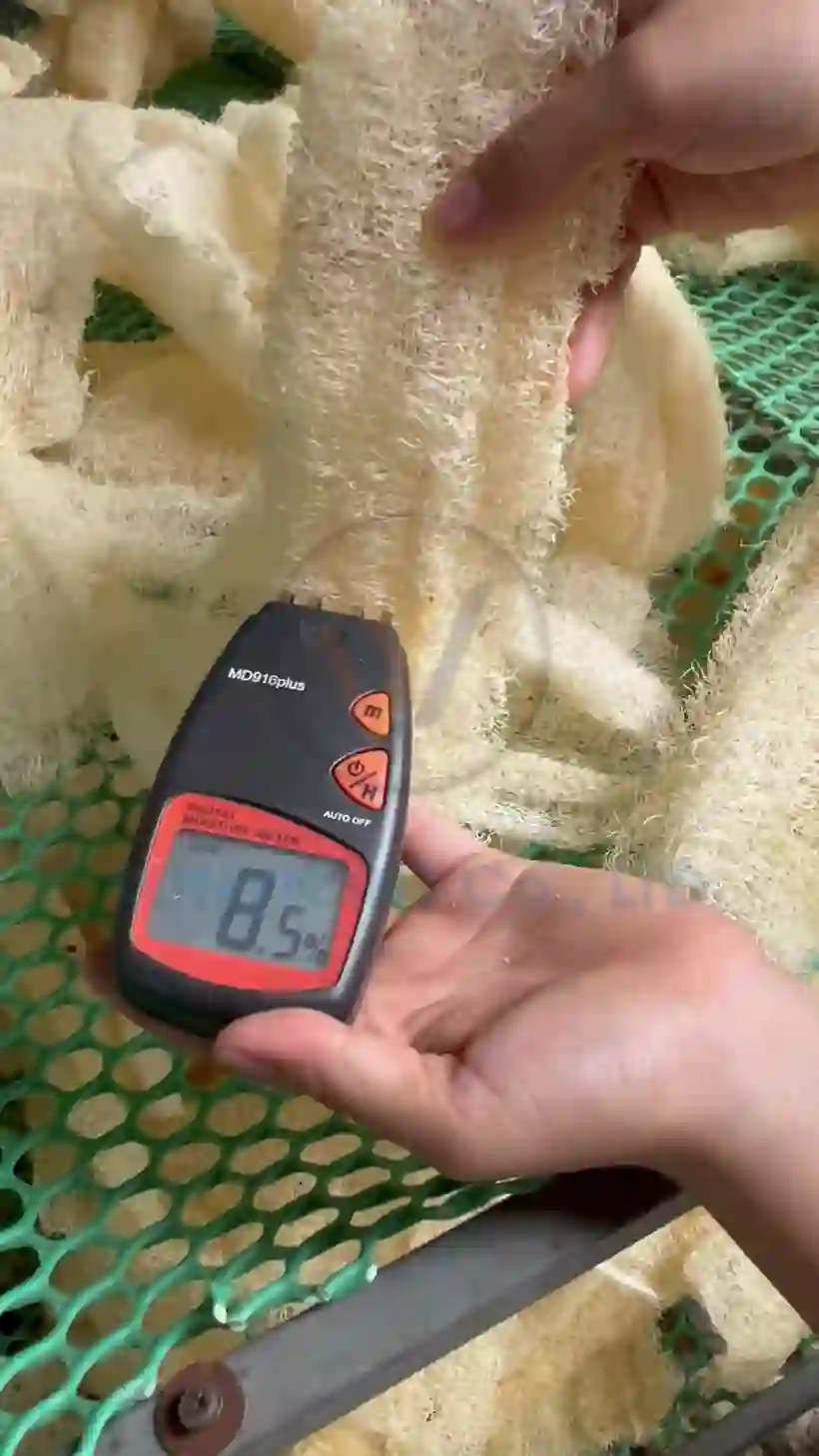
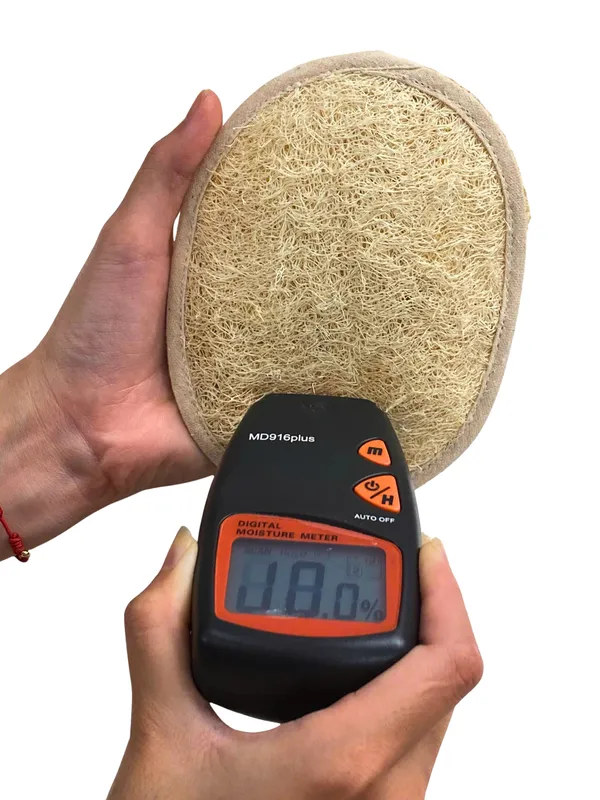
Every batch is checked for moisture with a meter and must read 12% or below before packing. Every piece is checked for mould and odour, size against the approved sample, colour range, fibre defects and the security of straps, loops, cords and handles. Pack, label and barcode are checked against the approved artwork.
| Check | How | Why it matters |
|---|---|---|
| Moisture | Meter reading on every batch; 12% or below before packing. | Mould in a sealed carton starts with fibre packed damp. |
| Mould and odour | Visual and smell check on every piece at packing. | A musty smell on arrival ends a listing faster than any other defect. |
| Size | Measured against the approved sample. | Size drift between orders confuses repeat customers and reviews. |
| Colour range | Compared with the agreed lightest and darkest pieces. | Spots and discoloured fibre are removed. |
| Fibre defects | Breaks, holes and thin areas. | Thin, loose fibre is the usual way a bulk order drifts from its sample. |
| Stitching and attachments | Straps, loops, binding, cords and handles checked piece by piece. | Attachments are where sewn loofah items fail in use. |
| Packaging | Pack, label, barcode and carton marks checked against the approved sample and artwork. | A correct product in the wrong pack is still a failed delivery. |
| Photo / video record | Photos and video of the packed goods before shipment, on request. | Evidence you can see before the container leaves. |
Moisture: the check that matters most
Loofah takes up moisture from the air. Packed damp, it can develop mould in a sealed carton at sea — the damage shows up on arrival, not at the factory.
Moisture is checked with a moisture meter on every batch and must read 12% or below before packing. Ask for the reading filed against your lot.
- Ask for the moisture reading filed against your lot.
- Keep one sealed pack from each lot as a reference.
- Store cartons off the floor, away from exterior walls, and open packs only when needed.
Natural variation — what is accepted
Accepted
- Colour within the agreed range of the approved sample.
- Small differences in fibre pattern and weight between pieces of one SKU.
- Size within the tolerance written on the order.
Rejected
- Brown or black spots, musty odour or visible mould.
- Thin, torn or holed fibre.
- Loose stitching, weak straps, loops, cords or handles.
- Wrong pack, label, barcode or carton mark.
Independent verification
For a shipment that matters, appoint a third-party inspector to measure a sample of pieces, witness the moisture reading, check the pack and barcode against your artwork, and photograph carton marks against the packing list before the container is sealed. We welcome it.
Buyer questions
Do you check every piece or a sample?
Moisture is checked per batch with a meter. Mould, odour, colour, fibre defects and attachments are checked piece by piece at packing.
Can I get photos or video before shipment?
Yes. Ask for pre-shipment photos and video of your packed goods.
What happens if goods arrive mouldy?
Contact us with photos of the affected cartons and their position in the container. Where the damage sits helps show whether it came from packing or from condensation in transit.