Company
Sustainability
A plant fibre that replaces a plastic sponge — and a careful line around everything else.
Our approach
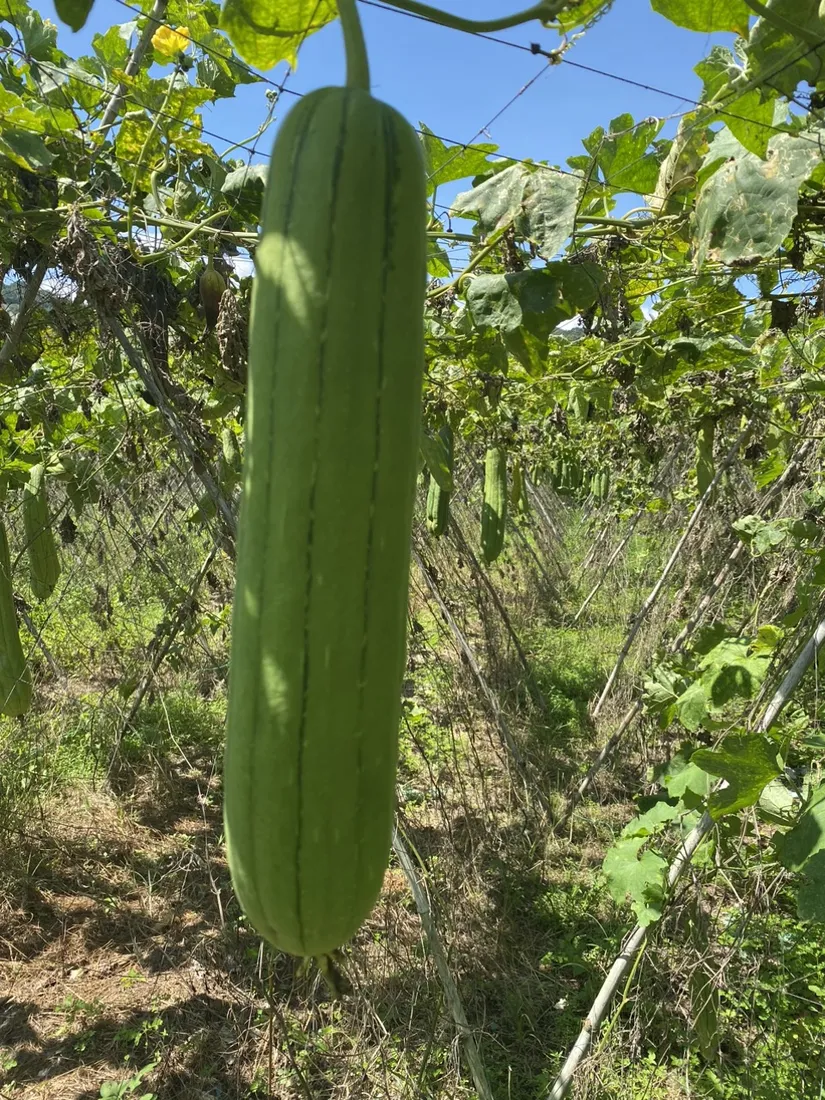
The sustainability case for loofah is simple and real: it is a plant fibre grown on vines, and a loofah sponge replaces a plastic one. We keep the rest of the story to what we can document — direct buying from growers, steam whitening instead of chlorine bleach, and plastic-free packs when you specify them — and we do not print certification we do not hold.
| Topic | What we do | What we do not claim |
|---|---|---|
| Material | Natural loofah fibre grown in Central Vietnam. | That every component of every item is plant-based. |
| Growers | Buy directly at agreed prices. | A certified fair-trade scheme. |
| Whitening | Steam, not chlorine bleach, when a lighter colour is ordered. | “Chemical-free”. |
| Packaging | Plastic-free packs available on specification. | That the default pack is plastic-free. |
| End of life | Tell users to remove non-fibre parts before disposing of the fibre. | Certified biodegradable or compostable. |
Plastic-free, specified properly
A plastic-free product needs every component and every pack element specified. Straps, binding, cords, labels, barcodes and desiccant are where plastic comes back in.
Your claims
Composition, whitening method and moisture are statements we can document. Environmental and skin-benefit claims are different: they need evidence for the finished product, the pack and the market you sell in.
Read which environmental claims you can make for loofah products.
| Claim you will see elsewhere | Our position |
|---|---|
| “Biodegradable” / “compostable” | The fibre is a plant, but the claim has to cover the finished product and pack under stated conditions in your market. We publish no such certification. |
| “Safe for sensitive skin” | No product-specific skin testing is on file, so we make no skin-benefit claim. |
| “Chemical-free” | Everything is made of chemicals. We state the process instead: steam whitening, no chlorine bleach. |
| “EU-approved” / “certified safe” | No such general approval exists for loofah. Test reports cover a named product and standard. |
| “Lasts 30–45 days” | Lifespan depends on use and drying. We give care guidance, not a number of days. |