Market
Do Kitchen Sponges Shed Microplastics? What the 2026 Studies Mean for Retailers
The short answer
Yes. A 2026 study by the University of Bonn, the Fraunhofer Institute for Environmental, Safety and Energy Technology and Leiden University estimated that kitchen sponges release between 0.68 and 4.21 grams of microplastics per person per year, depending on the sponge type. A separate 2026 study in Environmental Science & Technology found that melamine cleaning sponges shed about 6.5 million fibres for every gram of sponge worn away. The same Bonn study also found that water use, not the sponge, accounts for 85–97% of the environmental impact of washing dishes by hand.
Both studies were published within two months of each other in 2026, and both were picked up widely. If you sell cleaning products, your customers have probably seen a headline about them. This article explains what each study measured, what it did not measure, and what a retailer can responsibly say about it.
What the University of Bonn study measured
The paper is "From sink to sea: Microplastic release from kitchen sponges and potential environmental effects" by Hamann, Galafton, Rühr, Blanke and Thonemann, published in Environmental Advances, volume 23, in 2026. The team looked at how much plastic common kitchen sponges lose during normal dishwashing and then placed that release inside a wider environmental assessment of washing up by hand.
The headline result is a range: 0.68 to 4.21 grams of microplastics per person per year, with the spread driven by the type of sponge. Scaled to Germany, the authors estimated that a single sponge type could produce up to 355 tonnes of microplastic emissions a year across the country's households.
The authors' practical advice to consumers was threefold: use less water when washing up, choose sponges with less plastic in them, and make sponges last longer.
What the melamine sponge study found
Melamine foam is the white block sold as a "magic eraser". It cleans by abrasion. The foam is hard and brittle at a microscopic level, and as you scrub, it wears away together with the stain. That is the whole mechanism, and it is also why it sheds.
A research group including Yu Su, Baoshan Xing and Rong Ji tested melamine sponges from three major brands under simulated scrubbing, and published in Environmental Science & Technology in April 2026. They measured about 6.5 million microplastic fibres released per gram of sponge lost. Using Amazon sales data from August 2023 and an assumed 10% wear rate, they estimated around 1.55 trillion fibres released worldwide each month, and said the real figure could be higher. They also found that denser melamine sponges wore down more slowly and shed fewer fibres.
What the studies do not tell you
Headlines tend to lose the caveats. Three of them matter if you are going to reference this research on a product page or in a sales conversation.
- Neither study measured health effects. They measured how much plastic leaves the sponge. They did not show that this amount harms people who wash dishes. Do not write copy that implies it does.
- Both used controlled or modelled conditions. Real release depends on how hard people scrub, how long they keep a sponge, and what they clean.
- Water matters more than the sponge. The Bonn team found that 85–97% of the environmental impact of manual dishwashing comes from water consumption. A plastic-free sponge used under a running tap is not a low-impact habit.
We think this third point is worth putting in front of customers rather than hiding. It makes the rest of your message more credible.
Which sponge materials contain plastic?
The quickest way to reduce microplastic release from a sponge is to use one with no plastic in it. This table lists the common kitchen scrubbers by what they are made of. "Sheds plastic" means the product contains plastic that can wear off during use; it is not a measured release rate.
| Scrubber | Main material | Contains plastic | Sheds plastic in use |
|---|---|---|---|
| Foam sponge with green scourer | Polyurethane foam, nylon or polyester scouring layer | Yes | Yes (Bonn study) |
| Melamine "magic eraser" | Melamine-formaldehyde foam | Yes | Yes (ACS study) |
| Nylon scrubber or pot scourer | Nylon | Yes | Can, as it abrades |
| Knitted acrylic scrubber | Acrylic yarn (polyacrylonitrile) | Yes | Can, as fibres break |
| Silicone scrubber | Silicone polymer | Synthetic polymer | Insufficient public data |
| Cellulose sponge | Regenerated wood cellulose | Usually no; check for a polyester scrub layer | No, if fully cellulose |
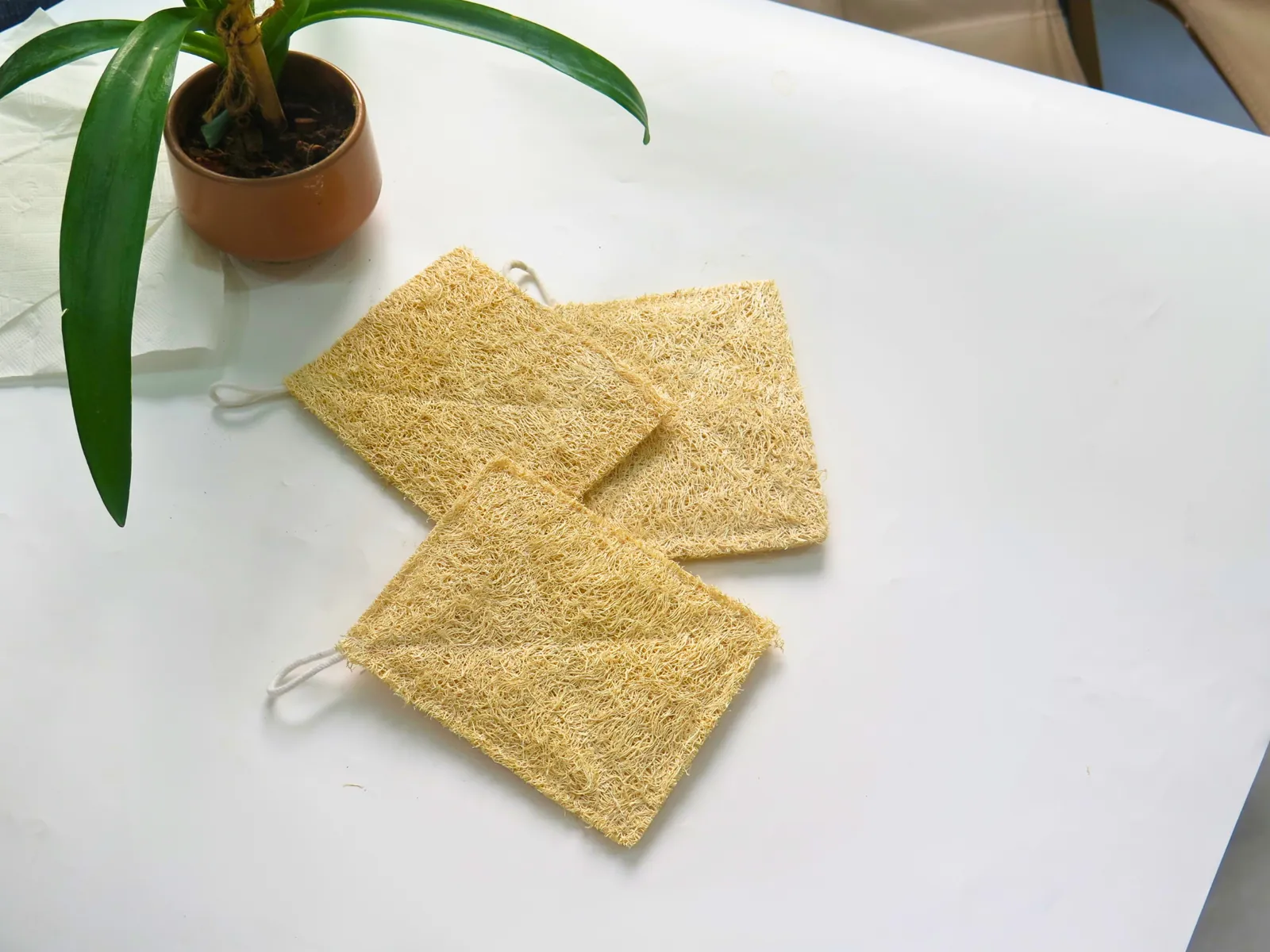
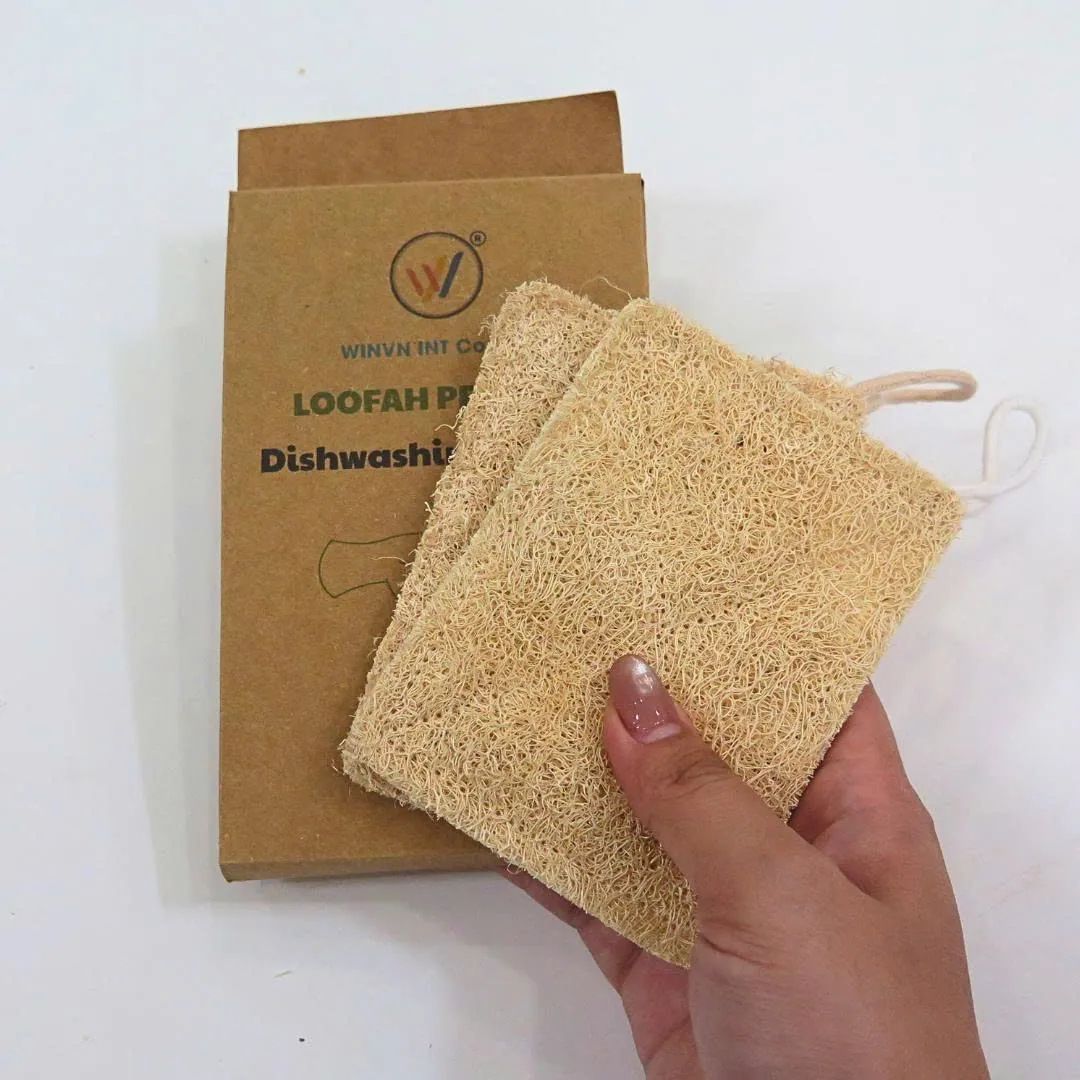
| Natural loofah pad | Luffa plant fibre, loop in natural fibre | No | No plastic to shed |
| Coconut or sisal brush | Plant fibre, wooden handle | No, unless bristles are blended | No plastic to shed |
The knitted acrylic scrubber deserves a note. In South Korea these were marketed for years as an eco option because they need little detergent. Harper's Bazaar Korea pointed out in 2021 that acrylic yarn is polyacrylonitrile, a plastic fibre, and suggested natural plant sponges and ramie cloth instead. Many shoppers still assume acrylic is natural.
What this means for retailers and Amazon sellers
The research gives plastic-free kitchen products a clear, dated reason to exist. It also raises the bar for what you can say. Customers are more informed, and regulators in the US and EU are looking harder at green claims. From 27 September 2026, the EU's Directive 2024/825 bans generic environmental claims such as "eco-friendly" or "biodegradable" unless they are backed by recognised excellent environmental performance or the specifics are explained right next to the claim.
In practice, that means:
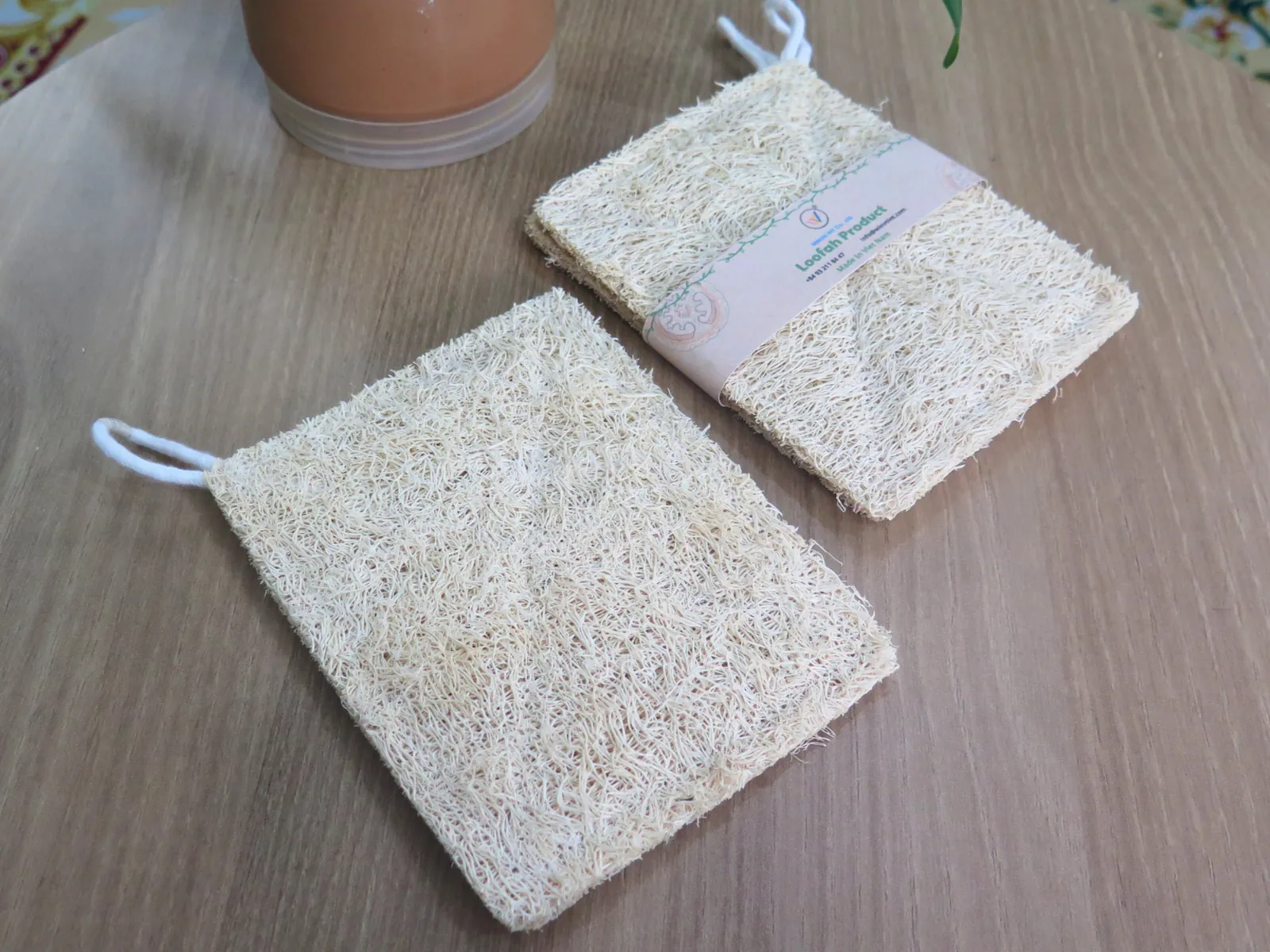
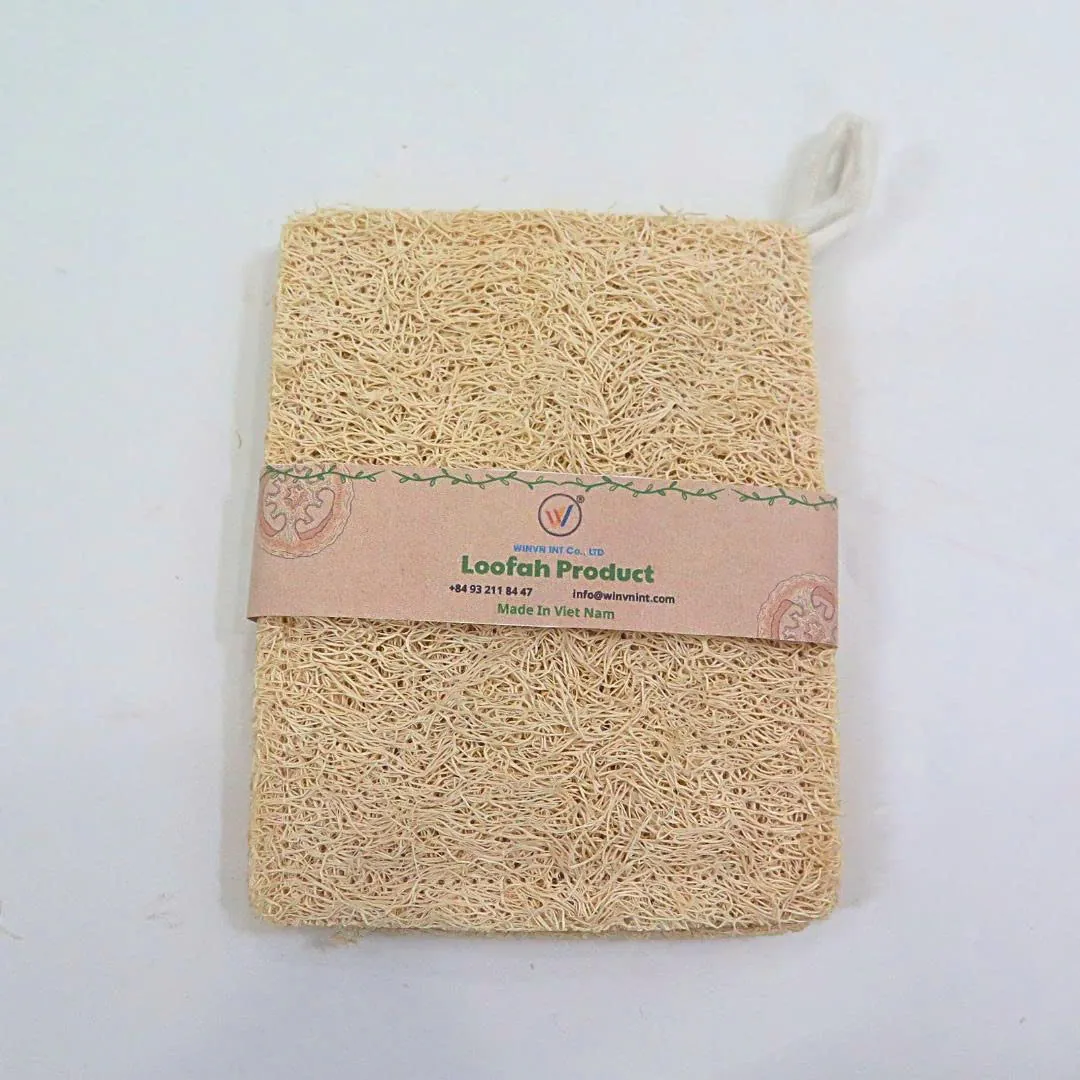
- Describe the material, not the virtue. Write "loofah plant fibre with a cotton loop" rather than "eco sponge". Result: a claim anyone can check.
- Make "plastic-free" true for every component. Loop, thread, binding, label, band and outer packaging. Result: the claim survives a customer who reads the small print.
- Cite the study with its date if you mention it. "A 2026 University of Bonn study estimated…" is fine. "Plastic sponges are poisoning you" is not supported by either paper. Result: copy that holds up if a platform or regulator asks.
- Keep documentation on file. A material declaration from your supplier covering every component. Result: you can answer a marketplace or retailer request in minutes.
How to cut microplastics and impact when washing dishes
If a customer asks what actually helps, this is the order we would give them, based on what the Bonn study found to matter most.
- Use less water. Fill a basin instead of washing under a running tap. Result: the biggest single reduction in the footprint of washing up, according to the Bonn team.
- Switch to a scrubber with no plastic. Loofah, cellulose without a synthetic layer, or a plant-fibre brush. Result: no plastic left to wear off.
- Keep melamine for occasional stain removal. It is effective on marks on hard surfaces, but it works by wearing away. Result: much less foam lost over a year.
- Make each scrubber last. Rinse, squeeze and let it dry between uses. Result: fewer products bought and thrown away.
A loofah dish pad makes sense if
- You want to remove plastic from daily dishwashing
- You wash plates, glasses and non-stick pans more than burnt steel
- You can compost or green-bin the used pad
It makes less sense if
- You mainly need to absorb spills (use cellulose)
- You scrub heavy carbon off steel every day (use a brush)
- You expect one scrubber to last many months
For a full comparison of loofah, cellulose, silicone and melamine on cleaning, drying and lifespan, see our kitchen sponge comparison. For background on the material itself, start with the natural loofah guide. Our kitchen range is the teardrop and rectangular dishwashing sponge.
Sources
- ScienceDaily – Your kitchen sponge is releasing microplastics (University of Bonn, June 2026)
- Hamann et al., From sink to sea, Environmental Advances 23 (2026)
- ScienceDaily – Melamine sponges release trillions of microplastic fibers (ACS, April 2026)
- Harper's Bazaar Korea – Acrylic scrubbers are not eco-friendly (Korean)
- Directive (EU) 2024/825: generic environmental claims after 27 September 2026
- I'm Plastic Free – plastic-free sponge types
Frequently asked
Do kitchen sponges release microplastics?
Yes. A 2026 University of Bonn study estimated 0.68 to 4.21 grams of microplastics per person per year from kitchen sponges, depending on sponge type.
Do melamine sponges release microplastics?
Yes. A 2026 study in Environmental Science & Technology measured about 6.5 million fibres released per gram of melamine sponge worn away and estimated 1.55 trillion fibres released worldwide each month.
Are microplastics from sponges harmful to health?
Neither 2026 study measured health effects. They measured how much plastic leaves the sponge. Claims about health harm are not supported by these papers.
What is the biggest environmental impact of washing dishes by hand?
Water use. The Bonn study found that 85 to 97 percent of the impact of manual dishwashing comes from water consumption.
Is a cellulose sponge plastic-free?
A sponge made fully of regenerated cellulose is. Many cellulose sponges have a bonded scrub layer made of polyester or nylon, which is plastic.
Can loofah replace a plastic kitchen sponge?
For washing dishes, glasses and non-stick pans, yes. For absorbing spills, a cellulose sponge or cloth works better.
Written from our own production and export experience. General information, not legal or compliance advice; confirm requirements for your market with your own advisor.