Market
Real Loofah vs Mesh Pouf: How to Tell Natural Loofah from Plastic
The short answer
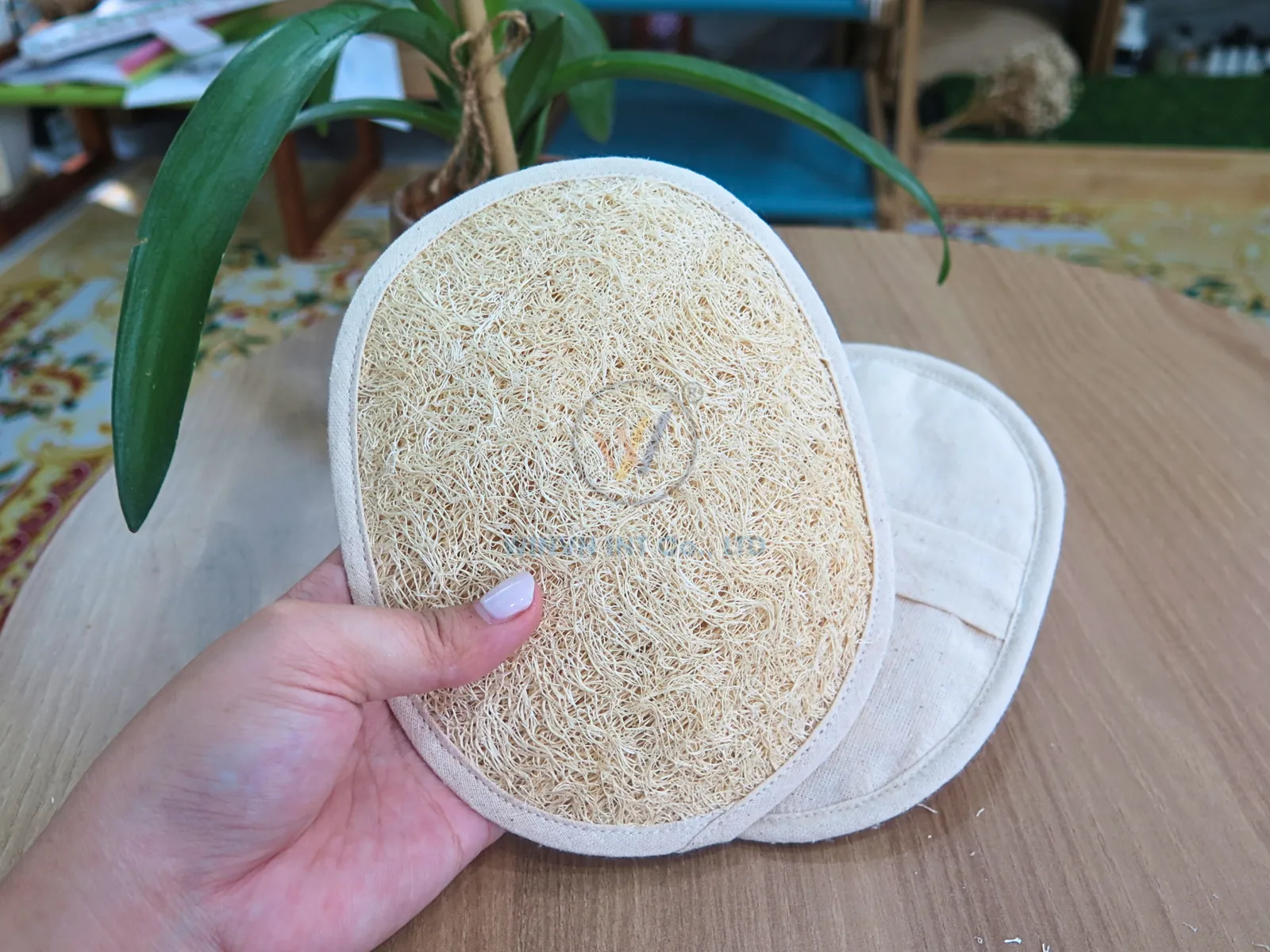
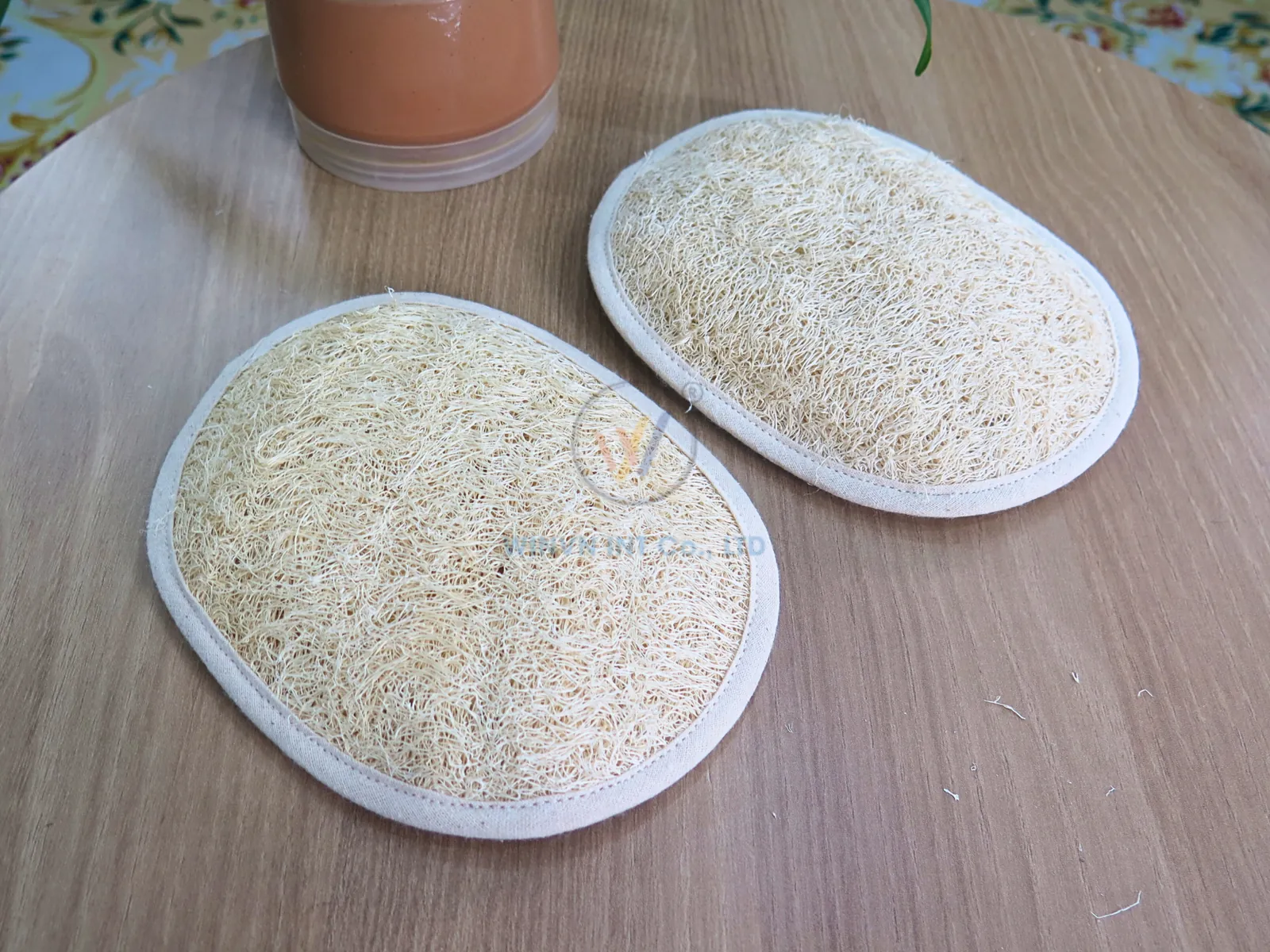
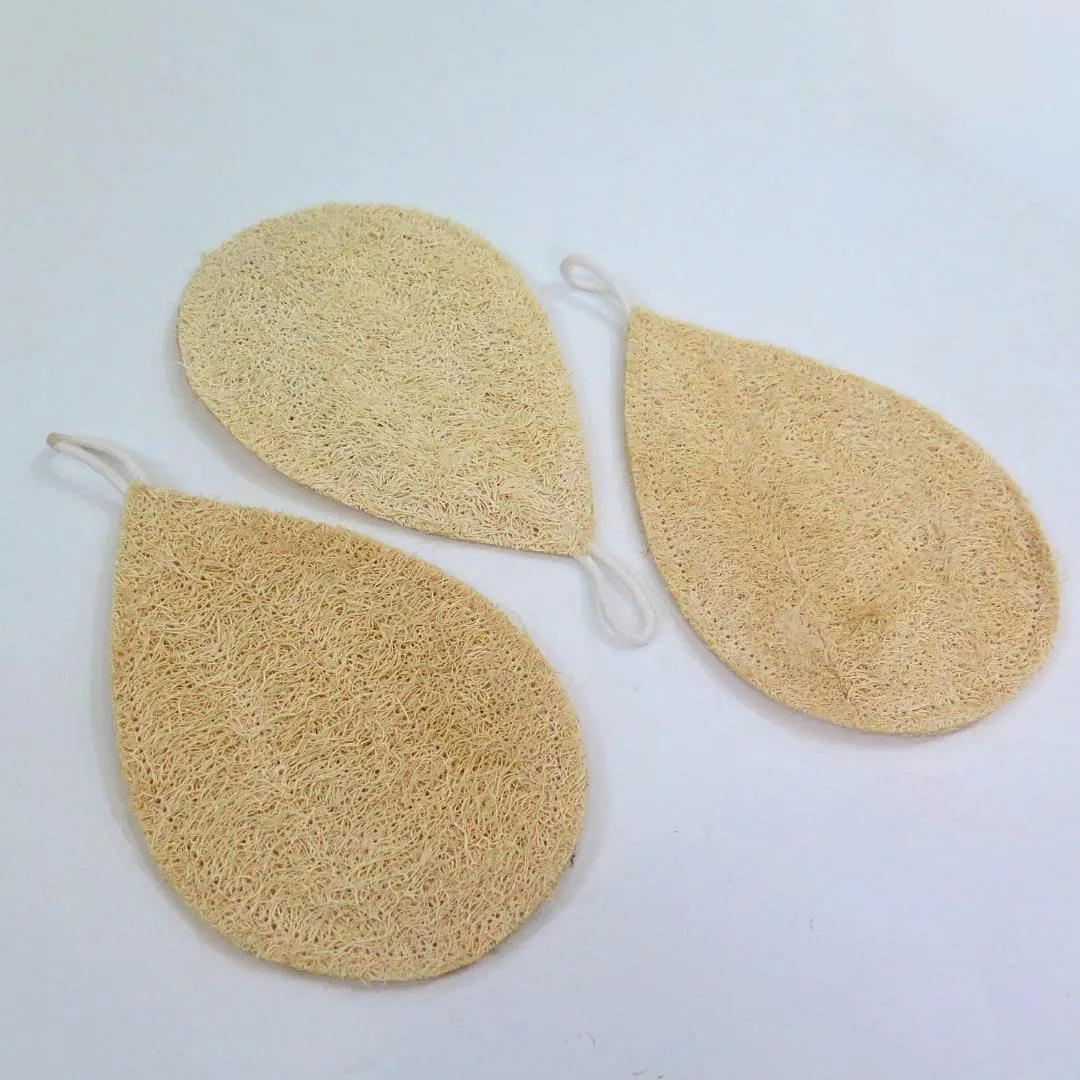
A real loofah is a plant: the dried fibre skeleton of the Luffa gourd. A shower pouf is a bunch of plastic netting, usually nylon or polyethylene, gathered with a cord. Both are sold as "loofahs". You can tell them apart in under a minute: real loofah is an irregular beige web that is stiff when dry and softens in water; a pouf is a regular mesh, often coloured, that feels the same wet or dry.
The word "loofah" has drifted. In many US shops and on Amazon it now means any shower scrubber, including ones with no plant fibre at all. That causes problems for everyone selling the real thing: customers compare prices with a plastic product, reviewers expect the wrong texture, and "natural" claims get diluted. This guide shows how to tell the two apart and how to describe real loofah so buyers do not confuse them.
Real loofah and mesh pouf, side by side
| Natural loofah | Mesh shower pouf | |
|---|---|---|
| What it is | Dried fibre network of the Luffa gourd | Plastic netting gathered into a ball |
| Material | Plant fibre, mostly cellulose | Usually nylon or polyethylene |
| Look | Irregular web, beige to tan | Regular knitted mesh, often bright colours |
| Feel when dry | Stiff, scratchy | Soft, springy |
| Feel when wet | Softens and becomes flexible | Little change |
| Lather | Good | Very high, which is why poufs are popular |
| Dries | Fast if hung in air | Slowly, water trapped in the folds |
| Suggested replacement | Every 3–4 weeks (Cleveland Clinic) | Up to 2 months (Cleveland Clinic) |
| End of life | Plant fibre; remove the loop first | Landfill |
Poufs do one thing better: they make a lot of lather from a little soap. Loofah does a better job of exfoliating and contains no plastic. Customers who love poufs for the foam are worth telling that a loofah needs a little more soap for the same lather.
Five ways to tell real loofah from plastic
- Look at the pattern. Hold it up to the light. Real: a random web of fibres of different thicknesses, with no repeating pattern. Plastic: a regular net, like fishing mesh, with knots or joins at even intervals.
- Feel it dry. Squeeze it. Real: stiff and slightly scratchy, springs back. Plastic: soft and squashy.
- Wet it for 30 seconds. Real: it softens noticeably and gets heavier as fibres take up water. Plastic: it feels almost the same, and water runs through the mesh.
- Read the label. Real: "luffa", "loofah plant", "Luffa aegyptiaca" or "Luffa cylindrica". Plastic: "PE", "polyethylene", "nylon", "polyester" or no material listed.
- Check the extras. A real loofah pad can still carry plastic parts. Look at the loop, the thread and the backing. Fully plastic-free: cotton loop, cotton thread, cotton binding.
Note: textile labs use a burn test to identify fibres. Plant fibre burns like paper and leaves soft ash, while plastic melts and forms hard beads. If you try this, use a single loose fibre, hold it with tweezers over a sink, and keep water nearby. Do not burn a whole product.
Bleached, steam-whitened or unbleached?
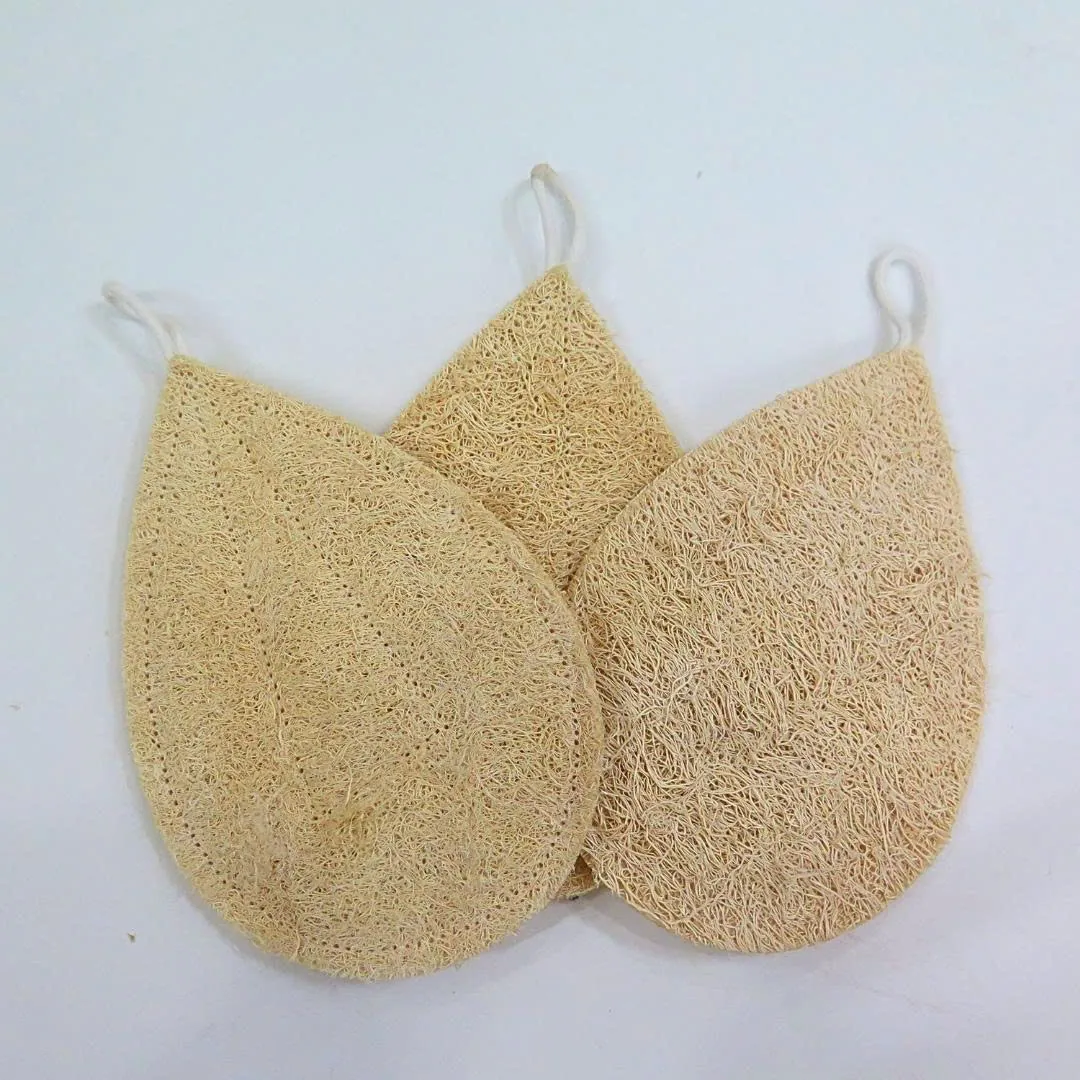
Natural loofah ranges from pale cream to light brown. Colour depends on the variety, the weather while the fruit dried, and how it was processed. Buyers will see three kinds on the market.
| Type | How it is made | Look | What to ask |
|---|---|---|---|
| Unbleached | Washed and dried only | Tan, uneven colour | Was it dried fully? Uneven colour is normal; dark spots are not |
| Steam-whitened | Treated with steam, no chemicals | Pale beige, more even | Confirm in writing that no chlorine is used |
| Chemically bleached | Treated with chlorine or peroxide bleach | Very white | Which chemical, and is there residue or smell? |
"Unbleached" is a common selling point in US listings, and it is a fair one. If you sell steam-whitened loofah, say "steam-whitened, no bleach" rather than "unbleached". Both are accurate; mixing them up is not.
Why accurate naming matters on Amazon and in stores
In a search for "loofah" on Amazon US, plastic mesh poufs and plant loofah appear side by side, sometimes with the word "loofah" in both titles. A listing for a 5-inch mesh bath sponge, for example, uses "Loofah" as its first word. For a seller of the real product, that creates three problems:
- Price comparison. A multi-pack of mesh poufs is cheap to make. Customers need a reason to pay more.
- Wrong expectations. A buyer expecting a soft pouf will be surprised by a stiff dry loofah and may leave a poor review before wetting it.
- Diluted claims. "Natural loofah" loses meaning if it is applied to plastic.
The fix is in the copy, not in arguing with competitors:
- Name the plant in the title. "Natural loofah plant sponge" or "luffa gourd sponge". Result: shoppers see it is not mesh before clicking.
- Say it is stiff when dry. Put "firm when dry, softens in water" in the first bullet. Result: fewer surprised reviews.
- List every material. "Loofah fibre, cotton loop, cotton thread." Result: a checkable plastic-free claim.
- Show it wet. Add a photo or short video of the loofah softening under water. Result: the difference from mesh is visible in the image gallery.
- Include care instructions. A printed card on drying and replacement. Result: fewer complaints about smell.
Which one should a customer choose?
Natural loofah suits people who
- Want real exfoliation
- Are cutting plastic from their bathroom
- Will hang it to dry and replace it monthly
A pouf suits people who
- Mainly want a lot of foam
- Have very sensitive skin and find loofah too firm
- Are not concerned about plastic
Future Market Insights estimates that natural loofah already makes up 54% of the loofah bath sponge category in 2026. The customers are there; the job is to make the difference obvious. For more on keeping loofah clean, read our hygiene guide. For disposal, see how to compost a loofah. Relevant products: loofah bath glove, droplet bath sponge and back scrubber belt.
Sources
- Cleveland Clinic – Why loofahs can be bad and alternatives to try
- Future Market Insights – Loofah Bath Sponge Market (2026)
- Amazon US – example mesh bath sponge listing titled "Loofah"
Frequently asked
Is a shower pouf a loofah?
No. A shower pouf is plastic netting, usually nylon or polyethylene. A loofah is the dried fibre of the Luffa gourd, a plant.
How can I tell if my loofah is real?
Real loofah has an irregular fibre web, is stiff when dry and softens in water. Plastic mesh has a regular pattern and feels the same wet or dry.
What does unbleached loofah mean?
It has been washed and dried without any whitening, so it keeps a tan, uneven colour.
Is steam-whitened loofah the same as bleached?
No. Steam-whitening uses steam only. Bleached loofah is treated with chemicals such as chlorine or peroxide.
Which lasts longer, a pouf or a loofah?
Cleveland Clinic suggests replacing a natural loofah every 3 to 4 weeks and a plastic one after up to 2 months.
Why is my new loofah so hard?
Natural loofah is stiff when dry. Soak it in warm water for a minute before first use and it becomes soft and flexible.
Written from our own production and export experience. General information, not legal or compliance advice; confirm requirements for your market with your own advisor.